It’s a Family Affair – Wings Spring 2025
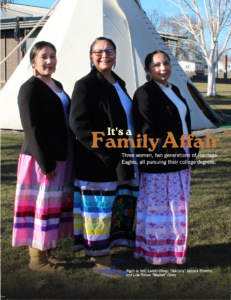
 

Full shot of three Indigenous women, likely Native American, dressed in traditional clothing.

Three women, two generations of Heritage Eagles, all pursuing their college degrees. Right to left: Lateet Olney, “Takiisha” Tamara Stevens, and Lisa Renee “Waptas” Olney.

Ask freshman Lisa Renee “Waptas” Olney about how old she was when she first came to Heritage, and you might be surprised by her answer.

“I think I was 12,” she said with a smile. “My mom used to bring me with her when she went to class. She’d set me up on a computer or have me follow along with the class, working on math problems. Sometimes, my sister and I would wait outside the Harry Kent Building while she was in class or meeting with her advisor.”

Her mom is HU alumna “Takiisha” Tamara Stevens, and her sister is Heritage sophomore Lateet Olney. Together, these three Yakama women are living proof of Heritage’s mission: empowering students to overcome obstacles and create lives filled with opportunity.

TAKIISHA: THE MATRIARCH
Takiisha has always been candid about her rebellious teenage years. “I was a bit of a defiant teenager,” she said. “It took me two years longer than most to graduate from high school. My dad was sick at the time, and he kept telling me, ‘Go to school. With an education, you can live in the traditional world and work in the non-traditional world. An education will allow you to create your own legacy.’”

But her adventurous spirit had other plans. Instead of heading straight to college, she joined the Army after high school and served in the Middle East. When her military service ended, she returned to the Yakama Nation and lived a life similar to many of her peers. She worked for the Yakama Nation, moved between positions, fell in love, started a family, and eventually left the workforce to raise her five children. When that relationship ended, she returned to work as a single mom.
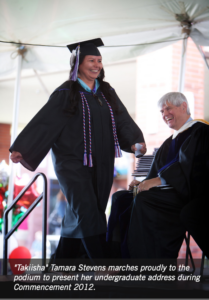
Full shot of a woman, identified as Tamara Stevens, in a graduation gown and cap, walking toward a podium. She is smiling and appears to be in the process of walking up the steps or a ramp towards a speaker's platform.

“Takiisha” Tamara Stevens marches proudly to the
podium to present her undergraduate address during Commencement 2012.

It wasn’t until her late 30s that Takiisha decided it was time to return to school. Two key things made her decision clear: First, her aunt, Martha Yallup, a founder of Heritage and Takiisha’s supervisor, gave her some advice that stuck. “I was in my first supervisory role at Camp Chaparral,” Takiisha recalled. “Martha sat me down and explained why education was so important. She told me to imagine a stack of job applications. ‘The ones without education go straight to the bottom.’”

The second was a call from the Veterans Administration, reminding her of the GI Bill she signed up for when she joined the Army, which covered her tuition.

“They called me three times before I finally listened,” Takiisha said. “I kept thinking about my dad’s words about legacy. And then I thought, ‘It’s time.’ I enrolled at Heritage as a freshman.”

Despite the GI Bill covering her tuition, Takiisha’s journey wasn’t easy. She juggled being a full-time mom, a full-time student, and a full- time employee, all while ensuring her kids didn’t miss out on childhood moments because of her busy schedule.

“Waptas is the youngest. There were days when I wouldn’t see her until the evening,” she said. “I’d wake her up for school, and then, when I got home from class, I’d bring dinner and snacks. We’d spend as much time together as I could, even if it meant doing homework late at night.”

Takiisha’s efforts paid off, as her kids never saw her struggle as anything out of the ordinary. “We’d go to class with Mom sometimes or see her doing homework late at night. We didn’t think it was any different from what other families experienced,” said Lateet.

In 2012, after years of hard work, Takiisha graduated with a Bachelor of Arts in Business Administration. She went on to work at the Yakama Nation’s Tribal Employment Rights Office (TERO), a program dedicated to creating employment and training opportunities for Yakama tribal members and other Indigenous peoples, where she eventually became the program director.

“TERO is vital for our community,” she explained. “It connects us with opportunities, and I even got my kids involved. Waptas became a laborer, my son William, an ironworker, and Lateet joined the carpenters’ union and became an authorized OSHA instructor.”

After many years at TERO, Takiisha decided it was time for the next chapter in her life. “Graduate school was always my goal. But over time, it became harder and harder to leave my job,” she said. “But after a difficult divorce and a conversation with my daughter, I realized it was time to follow through on my dreams. She told me, ‘What about you, Mom? ‘When are you going to stop talking about getting your master’s and just go do it?’”

Today, Takiisha is just three classes away from earning her M.B.A. in Business Administration with a specialization in marketing from Washington State University.

THE OLNEY SISTERS

There’s an often-heard truth in higher education: children of college graduates are more likely to attend college. But the Olney sisters’ path proves this doesn’t always follow a straight line.

Waptas was a bright teen who took college prep courses and earned good grades. But life had other plans, and she found herself pregnant with her first daughter at a young age. A serious illness kept her out of school for two months, which caused her to fall behind. She ended up dropping out of school.

Over the next few years, Waptas moved between White Swan, Tacoma, and Montana, working off and on while raising her daughter. Four years ago, she had her second daughter. But the idea of returning to school always lingered in the back of her mind.

“I used to tell my mom, ‘When Baby is in Head Start, I’ll go back to school,’” Waptas said. “Then, Lateet started going to Heritage, and I ran into a friend who got her GED through Heritage’s HEP program. My mom said, ‘Baby is in Head Start. You have no excuses.’ She was right. I enrolled in the HEP program.”

Waptas’s goal was clear: get her GED, then continue to Heritage. She started HEP in April 2024, completed it in June, and began her freshman year at Heritage in August. Like her mother, she’s pursuing a degree in business administration.

“I want to make an impact in my community,” she said. “I live in White Swan, and it’s neglected. Most programs are based in Toppenish. I want to help my community, the place and the people I care about.”

Lateet’s path to Heritage was similarly non- linear. She, too, dropped out of high school as a teenager after becoming a mom. When her daughter was a few years old, Lateet got her GED and began working as a laborer in traffic control. She later joined the labor union and became a journeyman.

“I had so many people telling me, ‘What are you going to do? Swing a sledgehammer all your life?’ I knew they were right. I needed something more,” she said. After working for a while, Lateet decided to travel the powwow trail and see how other tribes were flourishing. She wanted to help her tribe do the same.

In the fall of 2023, Lateet enrolled at Heritage, declaring a major in American Indian Studies. Next year, she plans to add business classes to her schedule.

EDUCATION: THE TIE THAT BINDS

It’s not every day you find two generations and three family members in college at the same time. For the Olney family, being academic peers has kept them all focused and motivated.

“When things get tough, we lean on each other for support,” Takiisha said. “We study together, or send each other texts saying, ‘You’ve got this.’”

The family sees their journey as an inspiration for the next generation, especially Lateet and Waptas’s daughters, who are around the same age as they were when they accompanied their mother to Heritage.

“My daughter loves coming to Heritage. She tells her friends, ‘I’ve been to college.’ She gets so excited. For her, being on campus means she’s been to college,” said Lateet. “I love that she can see herself in college and is curious and excited. I feel like we’re lighting the way for them.”

Waptas shares a similar sentiment: “My oldest had a school assignment where she had to write a letter to a college. She wrote to Heritage, listing why she should be accepted. She said she wanted to study ‘ELA’—English Language Arts.

She’s only 12 but already thinking about college. I love that!”

As the Olney family works toward their degrees and returns to the workforce, their hard work and sacrifice will ultimately benefit the Yakama Nation. As Takiisha’s father and grandfather used to say, “Get an education so you can come back and take care of your nation.” Takiisha hopes their example will inspire young people to follow their own paths to college and create their own legacies. Heritage Eagle

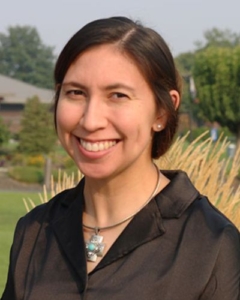
Dr. Shelby Clark named Gaye and Jim Pigott Endowed Chair of Nursing at Heritage University

FOR IMMEDIATE RELEASE

Dr. Shelby Clark appointed as the Gaye and Jim Pigott Endowed Chair of Nursing
at Heritage University


Dr. Shelby Clark


Toppenish, Wash. – Heritage University administrators have announced that effective March 1, 2025, Dr. Shelby Clark will become the new Gaye and Jim Pigott Endowed Chair of Nursing at Heritage. Dr. Clark replaces Dr. Christina Nyirati who founded the Bachelor of Science in Nursing program at Heritage University in 2014. Dr. Nyirati retired from Heritage University after the spring 2024 semester.

Dr. Clark is a distinguished alumnus of that mission, graduating with one of the first cohorts from the BSN program at Heritage in 2019. In 2022, Clark earned her Doctor of Nursing Practice in Population Health & Systems Leadership at the University of Washington. Growing up on the Yakama Indian Reservation and an enrolled member of the Yakama Nation, Clark always knew she wanted to be a nurse like her aunt and grandmother, having a deep passion for service to her community and other tribal communities. Clark began her nursing education wanting to specialize in critical care. However, a year of clinical rotations in an Indian Health Service (IHS) facility during nursing school (where Native American patients appreciated having a nurse who was like them) changed her focus to improving public health through systems and policy changes. She can make strides towards those goals in her new role at Heritage.

“I am thrilled to have the opportunity to advance the mission of our BSN program. What sets our program apart is its focus on addressing the healthcare needs of our community through active patient participation. We believe that patients should be partners in their care, not just recipients of instructions on improving their health,” said Dr. Clark. “My connection to this program gives me a unique perspective—I am a product of it myself. I am passionate about inspiring our students to strive for excellence in their nursing careers and to pursue further education, whether through a master’s or doctorate. In the future, some of these students may return as faculty, sharing their expertise and experiences with the next generation of nurses.”

The endowment supporting the chair of the department was created by a $2,000,000 gift to Heritage University by Gaye and Jim Pigott, in 2023. The Pigotts have been champions of the University, supporting numerous programs including student scholarships, academic programs and capital construction projects on campus such as the dining commons on campus which bears their names. “We are delighted by the appointment of Dr. Clark and know that she will continue to advance the health of multicultural families and communities in rural environments through excellence in nursing education, service, practice, and community-based research established for the program by Dr. Nyirati” stated Jim Pigott.

Heritage University Provost and Vice President of Academic Affairs Dr. Melissa Hill said Dr. Clark is just the right person for the chair of the Nursing department. “Dr. Clark brings a unique perspective to the position of chair. She personifies the nursing program’s emphasis on cultural inclusivity and its sensitivities to our Native communities,” said Dr. Hill. “Shelby is one of 80 skilled and capable nurses who have graduated from our B.S.N. program. We see great things to come from the program under Dr. Clark’s leadership.”

For more information, please contact Davidson Mance, media relations coordinator at (509) 969-6084 or mance_d@heritage.edu.

# # #

Heritage University Announces the Appointment of Its Fourth President

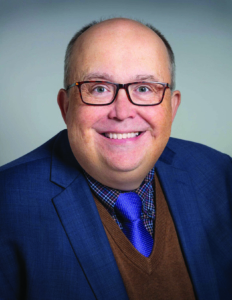
Headshot of Dr. Chris Gilmer

Dr. Christopher Gilmer


FOR IMMEDIATE RELEASE

Heritage University Announces the Appointment of Its Fourth President

Toppenish, WA – The Board of Directors of Heritage University is pleased to announce the appointment of its fourth president, Dr. Christopher Gilmer, effective July 1, 2025.

It is with great pleasure that we introduce Chris as the next President of Heritage University. He brings a wealth of valuable experience in serving historically-underserved, rural, first-generation students. Chris has served as president of two Appalachian universities, West Virginia University at Parkersburg and West Virginia University Potomac State College. He has served as a faculty member and administrator at three Historically Black Colleges and Universities including Tougaloo College, in Jackson, Mississippi, where he is currently Vice President for Strategic Initiatives and Social Justice and has served on the college’s Board of Trustees, as well as one Hispanic-Serving Institution, Adams State University in Colorado, where he was Vice President for Academic Affairs. He is the founder of the National Institutes for Historically-Underserved Students.

Chris’s passion for higher education and commitment to expanding opportunities for underserved communities make him the ideal leader to continue to shape the future of Heritage as a vital resource for the region.

When asked about stepping into this role, Chris said, “Heritage University creates access to the education that makes dreams come true. My family sacrificed everything for me to be the first to attend college, and my life is living proof of their sacrifice. Education is the great equalizer because it unlocks transformational power in families and communities. It changes lives, and since I can never repay my ancestors, I am committed to paying it forward. After meeting the Heritage family, the students, faculty, staff, directors, alumni, and friends of the university, I can truly think of no place in the world that I would rather continue my mission and join it with the mission of this special place and its warm and welcoming people. I am filled with hope and gratitude.”

The selection of a new president is one of the HU Board of Directors’ most significant responsibilities, and we extend our deepest gratitude to the WittKieffer Executive Search team for their exceptional work in conducting this comprehensive national search, which identified outstanding candidates who understood and believed in Heritage University’s mission. We also want to acknowledge and thank the search committee, Board of Directors, faculty, staff, students, and the entire Heritage family for their integral roles in this process.

As we prepare for this transition, we extend our most profound appreciation to Dr. Andrew Sund who has provided extraordinary leadership over the past eight years. Under his guidance, Heritage University has continued to offer excellent educational opportunities and services to regional students. Thank you, Dr. Sund, for your unwavering dedication and service.

The transition between Dr. Sund and Dr. Gilmer will begin soon, ensuring a smooth and collaborative process. We look forward to introducing Chris and his family to the Heritage community and are confident that his leadership will ensure continued progress and innovation.

Heritage University remains deeply committed to continuing to empower a multicultural and inclusive student body. Rooted in the homeland of the Yakama Nation, Heritage University embraces transformational, student-centered education that cultivates leadership and a commitment to a more just society. We are confident that Chris will build on the foundation established by all who have led and invested in Heritage University.

For more information or for help with coordinating interviews, please contact Davidson Mance, media relations coordinator at (509) 969-6084 (c) or (509) 865-0371 (o) or mance_d@heritage.edu.

# # #

Heritage University to begin $2.5 million remodel of Kathleen Ross Center adding STEM Learning Center

FOR IMMEDIATE RELEASE


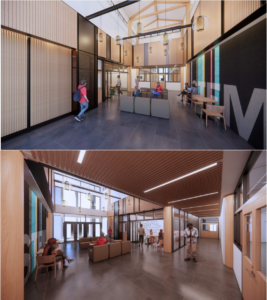
Artist renderings of Kathleen Ross Center remodel after completion

Renderings of the STEM Learning Center remodel in the Kathleen Ross, SNJM Center. Top picture is the view towards the Don North Library; bottom shows the view towards the entrance to the left and the Academic Skills Center to the right.


Heritage University to begin $2.5 million remodel of Kathleen Ross Center adding STEM Learning Center


Toppenish, Wash. – Heritage University will soon embark on an ambitious remodel project of the Kathleen Ross, SNJM Center to begin on December 16, 2024. When finished, the building will also be the home of a STEM Learning Center to include new math and computer science classrooms, a maker space, and study rooms complete with new furniture. The total cost of the project is $2.5 million, with $1.5 million provided by a grant titled Adelante STEM from the U.S. Department of Education, and $1 million from a private donation.

This remodel project offers several key benefits, with enhanced STEM education opportunities being the first. The new Adelante STEM Center will significantly improve the university’s offerings in STEM fields, providing state-of-the-art math and computer science classrooms with the latest teaching technology. These upgrades will foster a more conducive learning environment for STEM students, helping them gain practical skills and hands-on experience.

Another benefit to students will be the proximity of the new STEM Learning Center to the Academic Skills Center (ASC). With the two being next to each other, students will have access to the ASC’s tutoring services, the ASC’s collaborative workspaces, and technology offerings.

The remodel project will also improve the library and campus experience. While the Donald North Library, located in the Ross Center, will be temporarily affected during construction, the long-term result will be an enhanced library experience for all users and visitors. The remodel will create a more modern, functional space for academic work, research, and community engagement, improving the overall campus environment and student experience.

Adriana Villafan, the Director of TRIO & Adelante STEM Program at Heritage, is confident the upgrades will contribute to the growth and success of the university by better supporting STEM education. “Students will benefit from a learning environment crucial for success in today’s competitive job market,” said Villafan. “The STEM center will help students be better prepared to enter industries that demand technical expertise and innovation.”

During construction, the Don North Library will continue to be accessible to students, faculty, and staff.  Construction is scheduled to be completed in mid-April. For more information, contact Davidson Mance, media relations coordinator at (509) 969-6084 or Mance_D@heritage.edu.

# # #


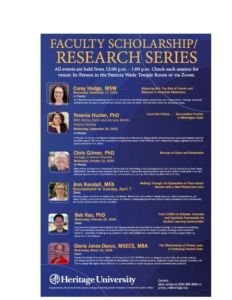
Faculty Scholarship Research Series 2025-2026

Faculty Research Scholarship Series 2025-26 Line-Up

News Briefs – Wings Fall-Winter 2024


HU gives Seattleites insiders tour of the Yakima Valley

While the Yakima Valley is only a few hours east of Seattle, its rural geography, high-desert climate and agricultural dependence can make it seem as foreign as a visit to another land. In September, supporters from the greater Puget Sound region made their way east of the Cascades for an insider’s tour of Yakima, its arts and culture, agricultural industry, and Heritage University.

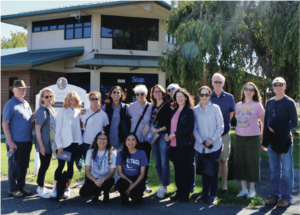
A group of people pose for a picture outside a building

Visitors from western Washington outside the Student Services Center at Heritage University with two HU student ambassadors.

Fourteen visitors toured a private Native American museum, an apple packing warehouse, and the artist community Mighty Tieton. They watched artisans working on one of their mosaic projects and met with Heritage alumna Rosie Saldana, the organization’s artistic director. The guests dined at the private homes of Heritage supporters and former board members, where they sampled wines and beers from the region and learned about its history.

“The Yakima Valley is a rich and diverse community with wonderful people from all different walks of life,” said Elizabeth Perera, regional development director for western Washington. “Most people passing through the region, or even stopping to visit for a long weekend, only get to appreciate what it offers.

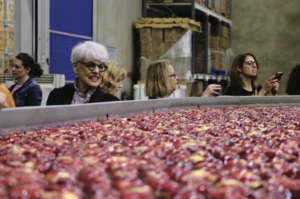
A woman looks over an apple processing machine

HU Board Member Ellen Wallach looks over an apple processing machine during a visit to Washington Fruit in Yakima, Wash.

“The tour gave our visitors a much more in-depth perspective on the region and the people who call this place home. They better understood Heritage’s life-changing role in our students’ lives and the community itself.”

This is the fourth year of the tour, which serves as a fundraiser for the university. This year, the event raised $20,000 in student scholarships.

The year-over-year response has been so positive that work is underway to build next year’s event. It will take place one weekend mid-September. For more information or to reserve your space for the 2025 tour, contact our Advancement Office at advancement@heritage.edu. 


Largest class in seven years starts at Heritage this fall

Heritage University welcomed its largest group of new students since 2017. A total of 347 new freshmen and transfer students started their educational

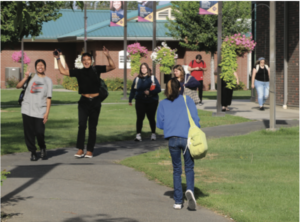
Students walk along a path at Heritage University

Students walking a path between Petrie Hall and the Kathleen Ross Center at Heritage University.

journey at the university this fall. This achievement came despite the challenges faced by students and families this year in securing college funding in a timely manner. The federal government’s troubled revamp of the Free Application for Federal Student Aid (FAFSA) left many students nationwide unsure how much, if any, financial aid they would receive to help pay for their schooling until only a few months before classes began. Heritage’s Office of Financial Aid doubled its efforts to get financial aid packages to incoming and returning students as soon as their FAFSA applications were processed. Additionally, university donors stepped in to fill any financial gaps, ensuring that no student was left behind due to financial constraints.


Seattle University School of Law expands access to legal education at Heritage

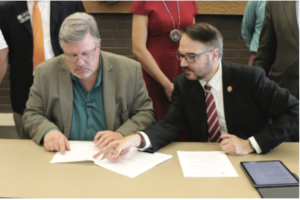
Two men sit at a desk signing papers while people stand behind them.

HU President Andrew Sund and Seattle University School of Law Dean Anthony Varona sign papers establishing a law school partnership between the two higher learning institutions.

In September, Heritage and Seattle University entered a partnership to help aspiring lawyers earn a degree while staying in the Yakima Valley. Called the Hybrid Hub, the partnership opens up Heritage’s campus to Seattle University law students who are attending classes remotely through their Flex JD program, giving them access to an academic setting for studying as well as to other campus resources, such as high-speed internet and the library. Additionally, Heritage will serve as an in-person meeting area where the students can network with their peers in the program as well as Seattle University Law School alumni, and members of the local legal community.

The Seattle University Flex JD program allows students to attend law school part-time in a hybrid online setting.


New board members bring wealth of leadership and career skills to Heritage

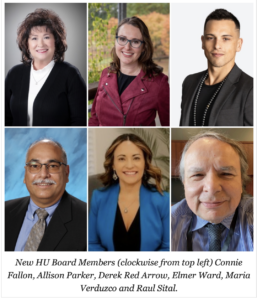
Six new members joined the Heritage Board of Directors this year. They are leaders in their respective fields and join 24 other directors who volunteer their time and resources to ensure the university’s success.

CONNIE FALON, CEO of Compass Financial Network LLC, has more than 30 years of experience in financial planning. She is a Chartered Retirement Plans Specialist who manages wealth for individuals, families and businesses. Her expertise includes broad-based investment planning and portfolio management. Falon is a long-time friend of Heritage, having volunteered for many projects over the past 20 years.

ALLISON PARKER, Principal, Peake Impact, joined the board in January. She is a seasoned social impact strategist with nearly 25 years of experience, focusing on channeling flexible, long-term capital to under-resourced communities. She advises individuals and foundations in strategy, impact investing, and complex asset gifts. Prior to founding Peake Impact, she spent more than 16 years at the Seattle Foundation, where she most recently served as Managing Director of Philanthropy Strategies, leading a team responsible for creating new funds and launching a donor-advised impact investing program. Her career began as a staffer to U.S. Senator Patty Murray, specializing in federal funding, where she first encountered Heritage University.

DEREK RED ARROW, Litigation of Counsel, Kilpatrick Townsend & Stockton, is an enrolled member of the Nez Perce Tribe. He advises tribal governments, enterprises, nonprofits and businesses on matters involving treaty rights, land-back projects, inter-tribal trade, taxation, and other aspects of Federal Indian Law. Prior to joining his current firm, he co-founded the American Indian Law practice group at a Yakima-based firm, served as a staff attorney for the Yakama Nation, and clerked for Chief Judge Brian M. Morris of the U.S. District Court for Montana. He has been recognized as one of “America’s Best Lawyers: Ones to Watch” in Native American Law, he has received the NCAIED National 40 Under 40 award for his leadership and contributions to Indian Country and was named a “Successful Indigenous Role Model” for Nez Perce Tribe’s Lapwai School District.

RAUL SITAL, Assistant Superintendent of Operations and Supports, Pasco School District, has been in his current position for three years. His leadership in this capacity contributed to the effective functioning of the district’s operations and support systems. While at Pasco School District, Sital served as a teacher at McLoughlin Middle School, a program teacher and manager at Discovery Middle School, and as Principal of New Horizons High School and Pasco High School.

He earned his teaching credential at Central Washington University and holds a Master’s in Teaching and Learning degree from Heritage University. He is passionate about education because he believes in providing the opportunity for every child to reach their dreams and goals.

DR. MARIA VERDUZCO, Clinical Medical Director, Yakima Valley Farm Workers Clinic, was born and raised in Yakima. She earned a B.A. in Biology with a minor in Chemistry from Central Washington University in Ellensburg and went on to obtain her Doctor of Medicine degree from the University of Washington School of Medicine. Verduzco completed her residency at the Central Washington Family Medicine Residency program in Yakima. She is bilingual in Spanish and English and has dedicated her career to enhancing patient health, especially withinunderserved communities.

ELMER WARD, Associate Judge, Yakama Nation Court, has worked in Native law for his entire legal career in a variety of roles for several tribes. He received a Bachelor of Arts degree from Harvard University and a Juris Doctorate from the UCLA School of Law. He has served as a board member for People for People, the Yakima Valley College Boardof Trustees and the Providence Foundation Board.


Honoring Our Elders – Wings Fall-Winter 2024


Native American Elders

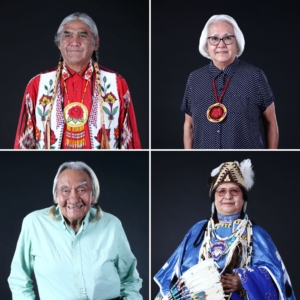
Native American elders being honored this year (2024) include (clockwise from top left) Warren Cloud, Carol Craig, Esther Moses-Hyipeer and Elmer Schuster


November is Native American Heritage Month. Each year, Heritage University kicks off its celebration by honoring four Yakama elders for their lifetime contributions to their communities. This year we recognize Warren Cloud, Esther Moses- Hyipeer, Carol Craig, and Elmer Schuster.

WARREN CLOUD, LUXKULKIST dedicated his life to hard work, always using his hands to ensure the job got done. As a trucker, he transported fruit from the fields to the processing center, ensuring that families received nourishing food. As a logger, he carefully brought trees from the forest to help build homes. He worked tirelessly as a heavy equipment operator to keep waterways flowing, providing essential water for crops and animals to thrive. When the call came for him to serve as a tribal leader for the Yakama Nation, Warren answered with a heartfelt “yes.” As the Yakama Nation General Council Chairman, he leads with a deep respect for tradition and a steadfast commitment to safeguarding the principles of the Treaty of 1855. Warren’s leadership embodies a legacy of service and devotion to his community, inspiring others to honor their heritage and work together for a brighter future.

“TALEETS” ESTHER MOSES-HYIPEER grew up deeply rooted in her culture, surrounded by the rich stories and history of those who came before her. From an early age, she learned the importance of gathering and preserving the traditional foods. From the medicine men in her family line, she learned to nurture her community with instilled values. These lessons would guide her throughout her life. Her unwavering commitment to the Yakama people shines through her work across various entities, including the Yakama Nation Tribal School, Higher Education, and the Language Program; the Yakama Nation Gaming Commission; and the Yakama Nation Tribal Council. Taleets has led impactful initiatives that honor veterans, provide transitional housing for homeless families, and tackle the challenges of drug and alcohol addiction. Additionally, she’s led the call for tribal healthcare programs to work together to address the holistic mental and physical health of individuals and families. In every endeavor, she carries the wisdom of her elders and the principles of the Treaty of 1855, allowing their teachings to illuminate her path of service. Taleets embodies the spirit of community and resilience, inspiring those around her to uphold their heritage and support one another.

CAROL CRAIG NUKSHÁY XWÁAMI is a storyteller and educator devoted to sharing the truths of Native people, the environment, and treaty rights. Her impactful work at the Columbia River Inter-Tribal Fish Commission and Yakama Nation Fish and Wildlife has raised awareness of tribal efforts to restore dwindling salmon runs while educating non-tribal communities about the significance of the fishing rights granted to the Yakama people through the Treaty of 1855. As a reporter for the Yakama Nation Review, Carol ensures her community has access to honest and accurate information about issues that affect their lives. Her unwavering commitment to her people and the environment fosters a deeper understanding of their heritage and rights. Carol’s work empowers her community and inspires future generations to honor and protect these vital connections.

ELMER SCHUSTER, TOMIITH’S life’s work has left an indelible mark on the landscape and the people of the Yakima Valley. A skilled carpenter since the 1960s, he has helped construct vital infrastructure, including highway overpasses that facilitate the movement of people and goods, and irrigation dams that ensure the flow of precious water to the crops that nourish our nation. Moreover, he has helped craft longhouses that preserve cultural traditions through meaningful ceremonies and constructed youth camps that foster lifelong memories and impart invaluable lessons. Under his leadership at the Yakama Nation Housing Authority, he led the teams that built the homes that shelter hundreds of tribal members, providing a foundation for community growth and resilience. Elmer’s contributions are not just physical structures; they are enduring symbols of strength, tradition, and hope for future generations.

The four elders were each featured in ads that ran in the Yakama Nation Review and were honored during a special ceremony at the university on November 6. This is the tenth year that Heritage has honored Native American elders. Portraits of all of the recipients are on a permanent display in the Violet Lumley Rau Center.


El Grito de Independencia – Wings Fall-Winter 2024


The richness of the Mexican culture was out in full color in September when the campus community hosted its 5th annual El Grito celebration.

El Grito is an important traditional celebration in Mexico that commemorates the start of the country’s war for independence. Each year on September 15 at 11:00 p.m., Mexico’s president rings a bell at the National Palace in Mexico City and shouts out a call of patriotism based on the Cry of Dolores, the call out made two centuries ago by Miguel Hidalgo y Costilla that started the war for independence. This call is replicated in cities and towns throughout Mexico, with the highest-ranking government official making the call. For theMexican people, it is as sacred as the 4th of July is to Americans.

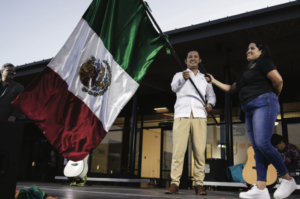
A man holds the Mexican flag as a woman holds a microphone to his face

Miguel Hidalgo y Costilla waves the Mexican flag as he recreates the El Grito with HEP Director Jennifer Renteria holds a microphone for him to speak into.

Heritage started hosting this cultural event in 2018. It is both a time to celebrate the heritage shared by a significant portion of the university’s student body and a way to bring the community to the campus. With September 15 landing Sunday this year, the university broke away from the tradition a bit by celebrating the day before on a Saturday and reenacting the Cry of Dolores earlier in the evening at 7:00.

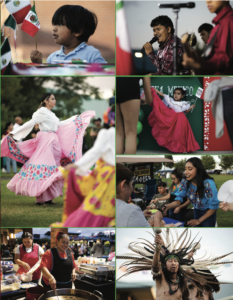
The event featured traditional dancing and music, including a performance of Aztec dances, folkloric dance by Grupo La Esperanza, and a night dance led by local band Los de la Z. Community organizations participated in a resource fair, and children and families enjoyed traditional crafts and games. Mexican Consul Representative Oscalin Figueroa led the crowd through the Cry of Dolores.


A collage of scenes from the El Grito celebration at Heritage University, September 14, 2024

Scenes from the El Grito celebration at Heritage University, September 14, 2024

Counter Culture Academics – Wings Fall-Winter 2024

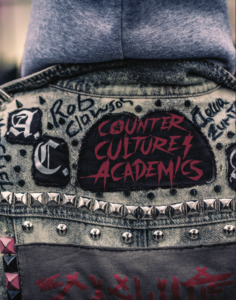
Closeup of a denim jacket decorated with metal studs, letters in a fancy font with the words Counter Culture Academics written in red on a black patch


What does Heritage University have in common with punk rock music? Alumnus Brian McShane. McShane graduated from Heritage with a B.A. in English in 2014 and an M.A. in Multicultural English Language and Literature in 2017. Last year, he completed his Ph.D. in Composition and Rhetoric from Texas A&M University, where his dissertation focused on punk music.

On the surface, his dissertation seemed about as far away from mainstream academics as one can get. Producing Activists: A Punk Rock Counter story was the culmination of years of study on organized efforts in the punk rock music scene to mobilize youth to participate in the election process.

For many, putting the words academia, punk rock, and get out the vote in a single sentence seems to make as much sense as a bird living underwater. They are concepts that live far afield of each other. Punk rock, after all, is the antithesis of conformity. It’s known for its in-your-face, hard-pounding music, screaming vocals, and anti-government, anti-religion, pretty much anti-anything mainstream lyrics.

For some, the very idea that punk rock has a place in academia seems ludicrous. For die- hard punk rockers, the very thought of being part of the political process that they’ve spent so much time rebelling against is equally ridiculous. Yet, in the aftermath of September 11th, some of the most-followed punk rock bands of the time orchestrated a campaign that shifted thinking, mobilized a fan base, and made the perfect fodder for an up-and-coming doctoral student to study.

THE EDUCATION OF MR. MCSHANE

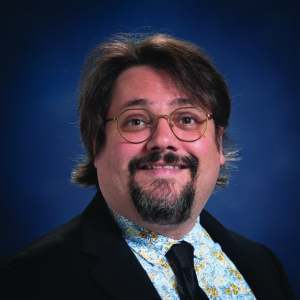
Headshot of a man with a goatee and glasses wearing a shirt and tie

Brian McShane

Growing up, McShane was the picture of teenage angst in the 1990s. At fourteen, he was hanging out in skateboard parks listening to the anti-establishment punk rock music of bands like Green Day, Social Distortion, and Bad Religion. He was slightly awkward and an avid reader who did well in his New Jersey high school but didn’t have much thought about what would come next.

McShane graduated in 2002 and enrolled in a technical school but dropped out shortly thereafter. Over the next few years, he floated about, taking a course here and there without any real direction. He was living in N.J., attending a small college outside Pittsburgh, Pennsylvania, online. He needed a specific English literature course that was not available at his college in the upcoming semester. Luckily, he found an online class at a university 2,444 miles away in Toppenish, Washington.

Long before COVID-19 forced all college classes online, Heritage’s English program developed a way to take classes remotely. McShane enrolled in one of these classes. He was one of the first undergraduate students to take advantage of this new learning method at Heritage. That single class sparked an idea.

“I thought, ‘Could I really do this for a living?” he said. “Of course, I knew that there were teachers who taught English in high schools, but for some reason, it never really clicked with me that there were careers that could come out of English degrees.”

It was 2005 when McShane transferred from the Pittsburg-area school and enrolled full-time at Heritage.

“Heritage’s online class – specifically the way forums worked – more closely approximated the experience of being in the classroom. Interaction with classmates was more organic, easier to get engaged with, and the instructors were attuned to the ways technology could facilitate that more than any online class I’d ever taken.”

A year and a half later, McShane had his bachelor’s degree from Heritage. The next academic year, he enrolled in the university’s master’s program. His plan was to finish his master’s degree and start teaching at the college level. That is exactly what he did. In fact, he became a member of Heritage’s adjunct faculty, teaching online from his home in Ocean County, NJ. He quickly realized that he needed to earn a doctorate to advance his career in the way he wanted. His Heritage advisor, Dr. Loren Schmidt, suggested he look at Texas A&M.

“I was informed of the school’s stellar job placement rate and the faculty focus on genre- based study. Having just written a science fiction thesis, this appealed to me greatly, as I wasn’t interested in returning to the old canon for the Ph.D.”

DIVING INTO THE COUNTERCULTURE

At the start of McShane’s doctoral program, he thought he would find a nice, safe, classical study area to focus his dissertation. Then, he took a class on composition and rhetoric and was reading someone’s work on the cultural relevance of lobotomies in horror movies.

“Academia has changed a lot over the years,” he said. “It used to be exploring things like science fiction or children’s literature were frowned upon. You had to do the cannons, like Mark Twain. Really, it’s a matter of who sets the standards. Coming here to Texas A&M was great because they encourage you to take on nontraditional things. The program is very current, and we were reading really leading- edge stuff as part of our coursework.”

He considered focusing on science fiction when a class assignment changed his direction. He was presenting a poster as a visual depiction of the value of punk rock music to his class. His professor and mentor, Dr. Shannon Carter, said, “That’s your dissertation topic right there.”

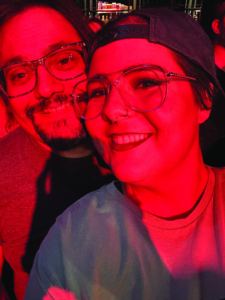
Close up of a man and woman with their faces in red

Brian McShane and his wife enjoy the occasional punk rock concert.

At the same time, McShane was reading Asia Martinez’s book Counterstory, the Rhetoric and Writing of Critical Race Theory as part of his Ph.D. studies. It dawned on him that many of the canons put forward in this book were found in the punk music of his youth—things like rebelling against racism and sexism, questioning conventional wisdom, and highlighting marginalized voices. He decided to look at the music through the lens of Critical Race Theory.

McShane explained that when researching your Ph.D., you need to focus your studies narrowly on a specific topic area. He chose to narrow in on the time directly after 9/11 and the relationship between patriotism after a national tragedy and protest music. He examined the rhetoric of the Bush administration surrounding the war effort, punk music’s response to the messaging, and the grass-roots movement that changed a counter culture from disengaged resentment to organized activists engaged in the political process. At the heart of his research was a political literacy campaign called Rock Against Bush with its voter drives, punkvoter.com website, the organization of bands to produce protest music and the corresponding albums and concerts where the music was heard.

“Punk has always been political. As far back as you can trace it, you see music raging against the government and against the establishment,” he said. “But this was a time when things shifted. It was a time when punk music went from ‘everything sucks, burn it down” to “everything sucks, let’s change it,’” he said. “Their goal at the time was to vote President Bush out of the White House. While they didn’t accomplish that particular goal, they did succeed in bringing thousands of young people into the political process to share their voice.”

It took McShane six years to complete his Ph.D., three years of coursework, and another three years of researching and writing his dissertation. In his work he found an academic passion that he hopes to revisit for future projects. He’s also found a way to connect with his students today. During his adjunct teaching days, he would share his experiences completing his research with his classes.

“I’d tell them the bands that organized the movement I studied were the Rage Against the Machine before they were born,” he laughs. “I tell them to look at what is being said in the music they listen to and how it reflects what is going on in the world around them. It is something they can relate to, and they love it.”

McShane started his first full-time teaching position this fall at Paris Junior College in Texas. There, he is teaching Freshman Composition.

Breaking Barriers – Wings Fall-Winter 2024


Breaking Barriers title banner


The story of the impact of higher education is frequently told through the lens of students—the personal changes that come through more opportunities, the increased earning potential throughout their lifetimes, and the generational impact as children of college graduates are more likely to earn degrees and access the benefits of doing so. The story that isn’t told as frequently is the community impact made through college attainment.

Spring semester 2024 was the start of a new graduate degree program at Heritage. The Master of Arts in Mental Health Counseling began as a direct response from schools and community health agencies needing more master’s-level practitioners from diverse backgrounds. The stories of the agencies involved, their employees earning their   degrees, the people they serve, and the existing need embody the value of higher education to communities at large.

THE NEED IS VAST

Like so many communities large and small across the United States, the greater Seattle region is grappling with a social crisis. Drug addiction, particularly to opioids, is on the rise, with the number of overdoses more than doubling between 2020 and 2023.

Homelessness is up, too. The Unsheltered Point-in-Time Count conducted by King County this year showed the number of homeless individuals rose by 23% in the last two years. Statewide, it’s estimated that more than 1.2 million adults have a mental health condition, with more than half of these people unable to receive treatment.

It’s easy to look at statistics like these and forget that behind the numbers are very real people suffering. They are some of the communities’ most vulnerable individuals in desperate need of assistance. Yet that assistance can be difficult to access. There is a real shortage of service providers. It’s estimated that 2.8 million Washingtonians live in communities without adequate access to mental health care. Plus, internal factors, such as the stigma surrounding mental illness and addiction, cultural beliefs, and inadequate or no health insurance make many people in need of assistance reluctant to seek it. Further complicating the issue is a lack of diversity in the mental health and dependency workforce. Nationally, only 12% of mental health counselors are people of color.

Genell Hennings, director of education enhancement programs at the YMCA in King County, who worked closely with Heritage as the university developed its master’s degree program, explains that this lack of representation is a critical barrier.

“People who are seeking therapy want to see people who look like them, who can identify with them,” she said. “There is a level of trust that comes when we are sitting across from someone who shares our cultural background. When I am coming to you as a Black woman, I don’t want to have to explain my Blackness. A Black provider will be able to identify with me. We are all more comfortable when we are with others who share our cultural norms.”

That trust, she said, is crucial. It’s difficult to build and maintain. If a person seeking treatment has a negative experience, the chances of that individual seeking or accepting help in the future are diminished, as are their chances of conquering their demons.

She further explains that community mental health, which predominately serves people who are low-income and on Medicaid, operates by assigning those seeking services to a provider. This makes building and maintaining that trust much more difficult. The ability to choose a provider that you are comfortable working with is a luxury reserved for those who can pay out of pocket for services or who have private-pay insurance.

RESPONDING TO THE NEED

Donnie Goodman, Executive Director of Behavioral Health Services at the YMCA of Greater Seattle, conceptualized this program in 2008. In 2022, a King County MIDD (Mental Illness & Drug Dependency) funding opportunity presented itself that aligned with the program’s mission of increasing capacity in community behavioral health. Goodman and Hennings worked with leaders from multiple community behavioral health agencies to create this program that focuses on encouraging individuals from historically marginalized groups – specifically people of color, those living with a disability, and members of the LGBTQIA+ and BIPOC community— who are working in mental health and chemical dependency to return to school to earn a master’s degree. The program would pay for the students’ college tuition in exchange for their agreement to remain at their place of employment to provide therapeutic care for at least four years after graduating. At the same time, Heritage was building a new master’s degree program in mental health counseling. The university later received a $6 million grant from the US Department of Education to create a program that would prepare students to become licensed mental health counselor-associates in Washington state and increase the number of mental health professionals working in area school districts. The program was being designed with working professionals in mind, with classes being held synchronously one day a week. Like the YMCA’s developing program, its intent was to prepare underrepresented students to enter the field to diversify their profession.

“We know that our Yakima Valley community, as well as others across the state, are desperately in need of mental health providers. This is especially true for folks who are either uninsured or on state insurance – it’s an equity issue,” said Amy Nusbaum, chair of the Department of Psychology. “Our proposed solution was to create a new and innovative partnership that would address the urgent mental health needs that adversely impact our communities across the state.”

The timing was perfect! The YMCA secured grant funding to support their program for two years and partnered with Heritage to provide the hybrid online master’s degree program. The first cohort of 23 students from six agencies (Catholic Community Services, Center for Human Services, Community House, Therapeutic Health Services, and Transitional Resources YMCA of Greater Seattle) started classes in January 2023. Among them are Deidre Smith, Kenny Smith (no relation to Deidre) and Jungwon Yoon. While each enrolled in the program for different reasons, all three are committed to serving their clients and communities more deeply after graduating.

ON THE FRONT LINE

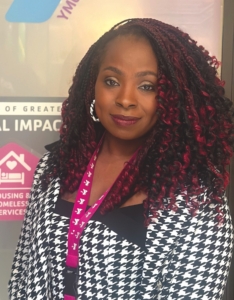
A portrait of a woman with shoulder-length black hair with red streaks wearing a checkered black and white jacket

Deidre Smith

Deidre is a substance use disorder professional at the YMCA Social Impact Center in Auburn, Washington. The center provides wraparound services for youth and young adults, including counseling, employment training, educational support, and a shelter, as well as counseling and suicide prevention for individuals of all ages. Smith provides outpatient substance abuse counseling to a caseload of 30-45 people. She decided to enroll in the master’s program to get the credentials she needs to serve her clients’ mental health as well as addiction treatment needs.

“So many of my clients have dual disorders and need mental health therapy along with their dependency treatment. The way my license is now, I have to hand them off to someone else to provide mental health counseling. That creates another barrier for them. Trust is not easy in this field. When I hand them off, they have to build trust with someone else and tell their story to someone else again. I want to be able to serve them holistically,” she said.

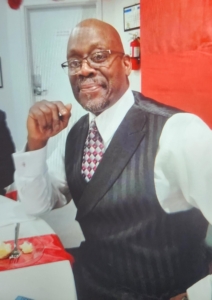
Kenny is a co-occurring disorder mental health clinician at Catholic Community Services in Seattle. He works with many homeless individuals through two different shelters and with people living in a permanent supportive housing facility. He knows firsthand what his clients are going through. Their road is one that he walked for many years.

“I’m transparent with my clients. I tell them, ‘I was where you are, man. If I can do this, you can do this.’ It gives them a sense of motivation, I tell them it is a rough road, but if you stick with it, you can make it.

Close-up of a man with glasses wearing a long white sleeve and a black vest

Kenny Smith

“A lot of them are pulling your chain and telling you what they think you want to hear. I know because that is what I used to do. But it is important that we don’t give up on them because, eventually, the one pulling the chain will want to be saved.

“I’m in the master’s degree program because I want the training and the information that comes with it. I have no plans to become a manager. I’m a boots-on-the-ground guy.”

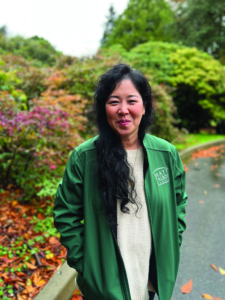
Yoon is a clinical manager working at the Catholic Community Services Matt Talbott Center in the Belltown region of Seattle. The center provides recovery and treatment services for individuals who experience challenges with substance abuse, mental health and homelessness. Her program serves nearly 100 people, a majority of which are engaged in intensive outpatient treatment. “The opposite of addiction isn’t recovery,” she said. “The opposite of addiction is connection.”

Yoon explains that, for many of their clients, the center is their community. Church is held there on Sundays, and community events take place there throughout the year.

“They are very protective of us,” she said. “When there was a week of unrest near us a few years back, our clients surrounded the center and protected it.

“When we see people using substances are sleeping in our back alley, we feed them and give them water, and we tell them, ‘maybe, one day, we will see you at our front door.

Portrait of a woman with long black hair wearing a white top and green jacket outside

Jungwon Yoon

“For us, it’s not just about getting them to stop taking drugs. It’s about helping them thrive, reunite with their families, and being happy. Everyone deserves to be happy. I think this is why people love our place and have such a sense of ownership.

Yoon’s goal is to bolster further the forms of treatment and services offered by Matt Talbot Center after she earns her master’s degree.

THE IMPACT MULTIPLIED

Deidre, Kenny, and Yoon’s stories demonstrate the bigger picture. They are just three people in a cohort of 23 in this first class alone. This fall, a second cohort of 18 students from an additional five agencies (Asian Counseling and Referral Services, Consejo Counseling Services, Evergreen Health, Vine Maple Place and WAPI Community Services) started the program. Another 25 students are expected next year. In just three years, 66 master’s-level mental health practitioners from diverse backgrounds will be in the field in the King County area working with thousands of vulnerable community members.

On top of these numbers are the Yakima Valley students who are not part of the YMCA grant program. The first cohort of these students started attending classes in person on the Toppenish campus this fall. Future classes will enroll annually, and in two years, a steady stream of graduates will start filling vacancies in area schools and community health agencies where, like their western Washington counterparts, they will work with people with the greatest need for assistance.

This is the impact of higher education on communities!