Honoring Our Elders

Loren Selam, Sr., Marlene Spencer Simla, Delano Saluskin and Wanda Sampson (pictured clockwise from top left).
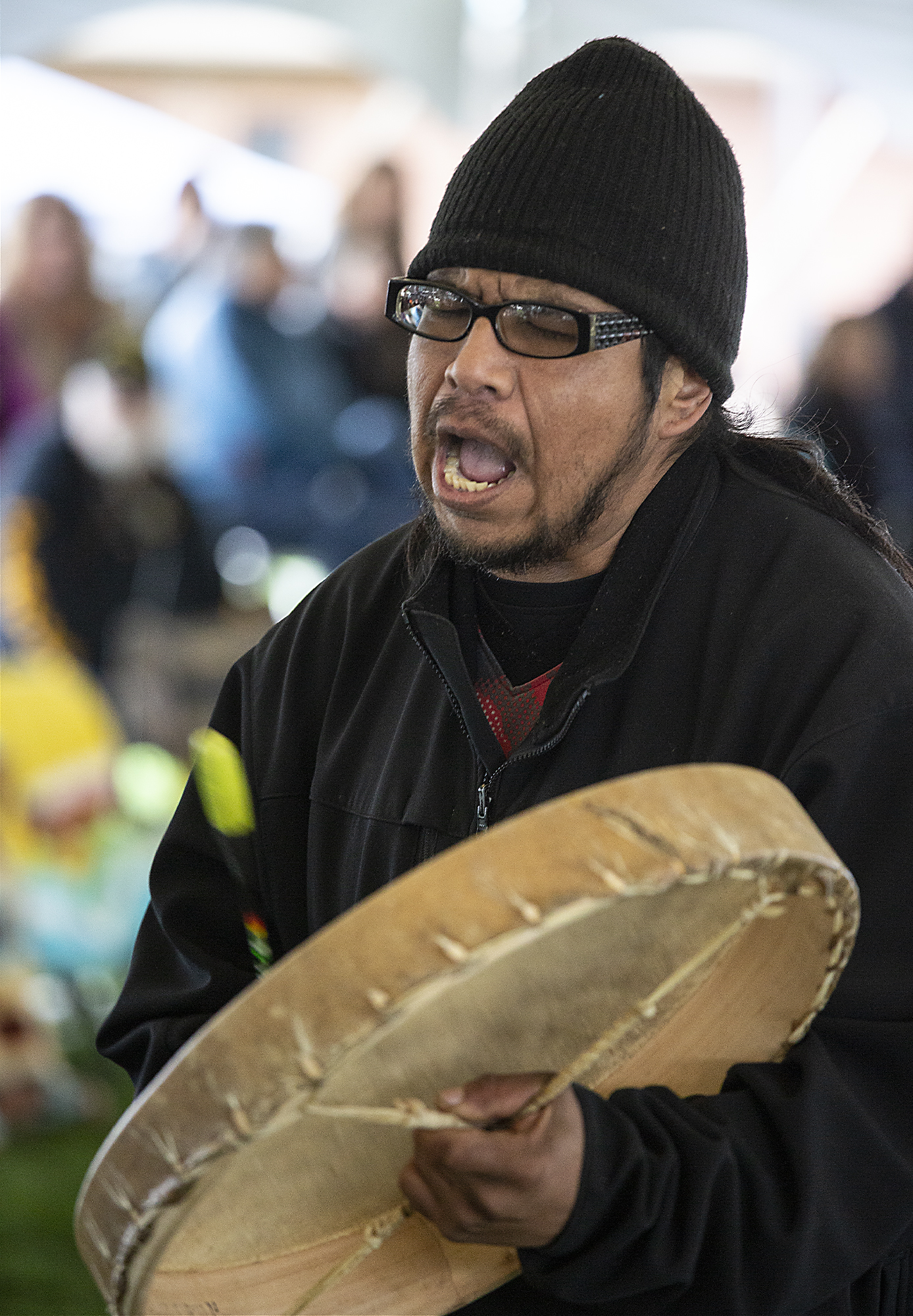
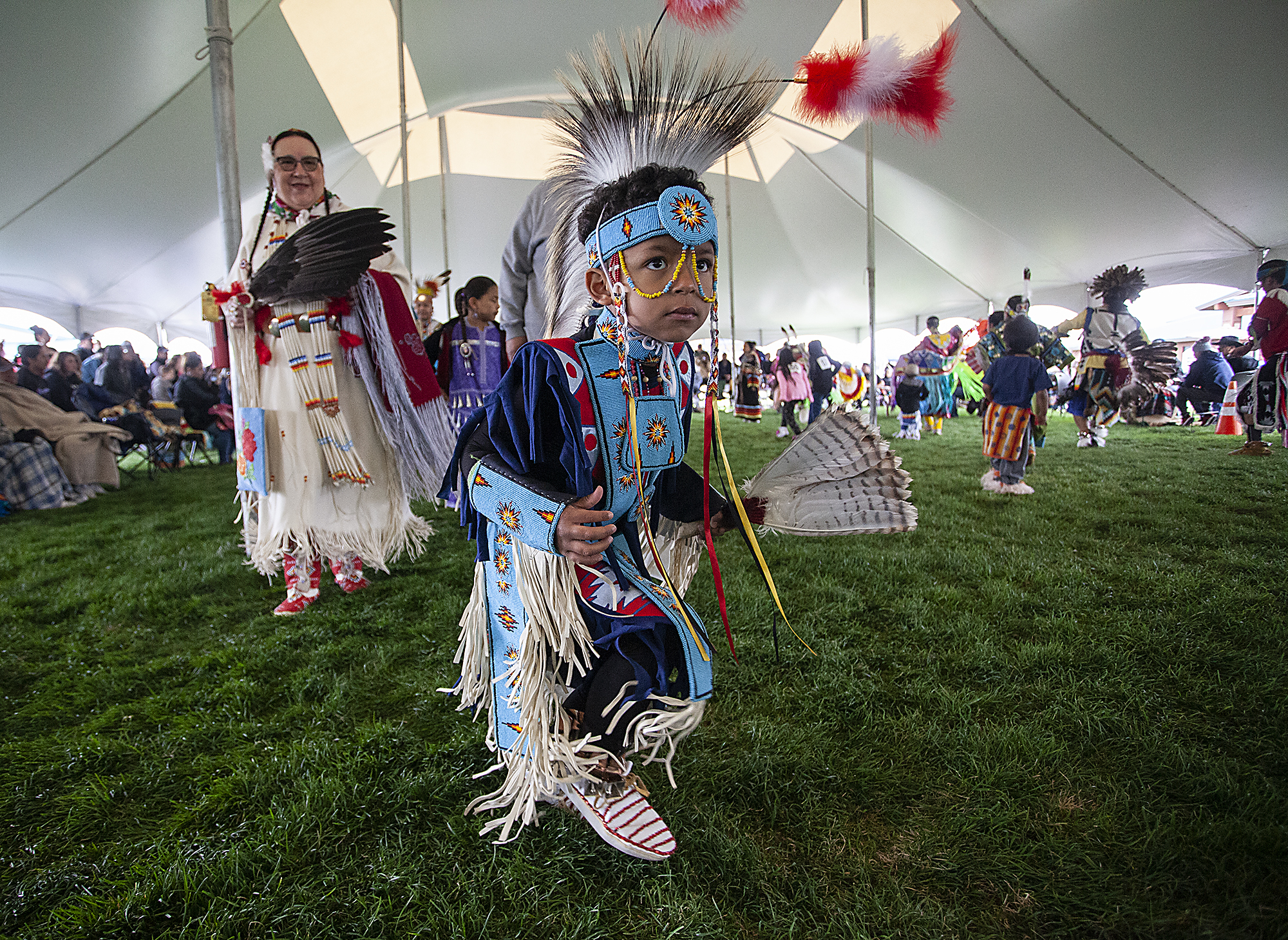
Each November, Heritage University celebrates Native American Heritage Month by recognizing four Yakama tribal elders for their lifetime contributions to their community. This year’s honorees include a businessman; an artist and child welfare advocate; an ordained minister; and a former police officer, cultural preservationist and spiritual leader.
Delano Saluskin has a deep and abiding commitment to building the health and vitality of the Yakama Nation’s resources and its members. His foundation to serve Yakama Nation began through the encouragement of his grandfather, Alex Saluskin, who inspired his grandchildren to obtain a college education. Much of his life has been dedicated to helping the tribe develop its economic sovereignty. During his 15 year tenure as the Tribal Director, Saluskin, helped to build several of the Nation’s most prosperous industries including Legends Casino, Yakamart and Yakama Forest Products, which provides much-needed jobs for tribal members and funding for programs and services. He joined Tribal Council in 2012 and continues his service today. Along with his commitment to the economic success of the Yakama Nation, Saluskin is passionate about the physical and spiritual wellness of his people. He is a strong advocate for mental health programs that provide holistic wrap-around services that encourage our young people to turn to traditional teaching instead of gangs, drugs and alcohol.
Wanda Sampson is a licensed and ordained minister who leads the Yakama Valley Fellowship, which was first started by her late husband decades ago. She spent 43 years in social services helping people at their time of greatest need before retiring eight years ago to devote her time to the ministry. In addition to the monthly spiritual revivals that she leads, Sampson is a dedicated volunteer with Noah’s Ark Homeless Shelter in Wapato, Washington. She and her friends provide monthly potluck meals to the people who rely on their services and gather and fill backpacks with hats, gloves and necessities to distribute to those in need each winter.
Lonnie Selam, Sr. is a protector of people, a preserver of the culture, and a spiritual leader. Raised by his grandparents, he grew up learning the traditional ways, speaking the language and moving around as they followed the seasons and the foods. These early learnings instilled in him a deep connection with his culture and commitment to help the Yakama people. He spent ten years as an officer with Yakama Tribal Police before being appointed by Tribal Council to preserve the Yakama cultural heritage through the Nation’s Cultural Resource Program. He spent 18 years working to build the prosperity of the Yakama Nation and to protect its sovereign treaty rights as a member of Tribal Council. Even now he continues his service as a spiritual leader with the Toppenish Long House.
Marlene Spencer Simla is a talented artist and a tireless advocate for children. She attended the Institute of American Indian Arts in Santa Fe before transferring to Ft. Lewis College in Colorado to earn her bachelor’s degree and later earned a master’s degree from Heritage College. Throughout her lifetime, Spencer Simla has helped hundreds of children and young adults build a foundation for life-long learning and to find safe and loving homes. She spent 17 years as a center director with early childhood education, and 22 years working with children and family welfare services. Spencer Simla’s paintings have graced numerous publications and have been shown at the Yakama Nation Cultural Museum, the Central Washington State Fair, and the Washington State History Museum in Tacoma. She is a storyteller who rewrites and illustrates Native American legends.
The four elders were recognized during a ceremony at Heritage that kicked off the university’s month-long celebration. A series of ads that feature their stories and images ran in the Yakama Nation Review and the Yakima Herald during the month.


Rural America. It’s not just country music and acres upon acres of farmlands. It’s a complex stewpot of people from different cultures and ethnicities. It’s multi-million dollar agribusinesses that communities depend upon for their economic prosperity. And, sadly, it’s communities that struggle to deal with the same social ills that impact larger cities–poverty, crime, violence, substance abuse–but often without the resources necessary to make a difference.


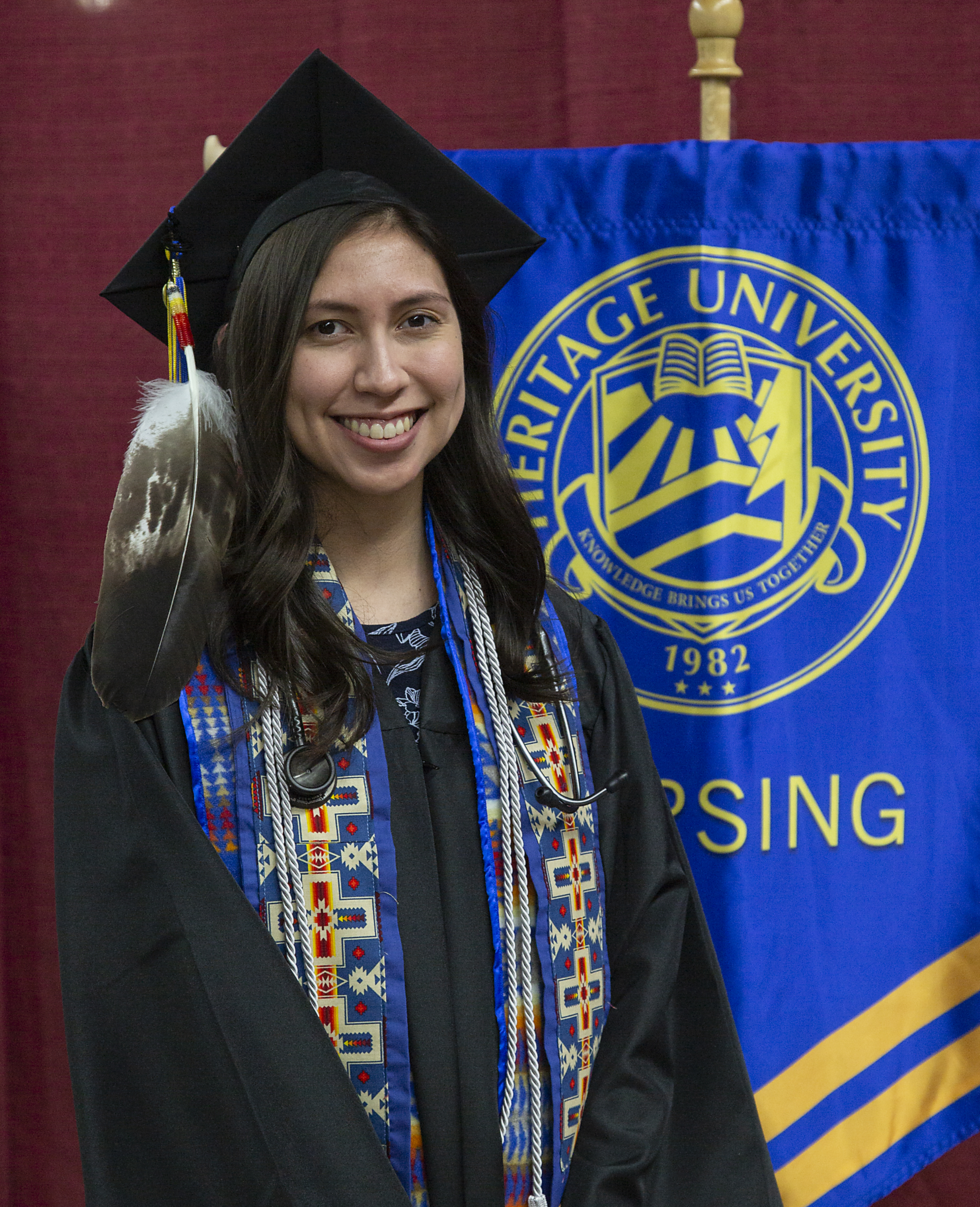
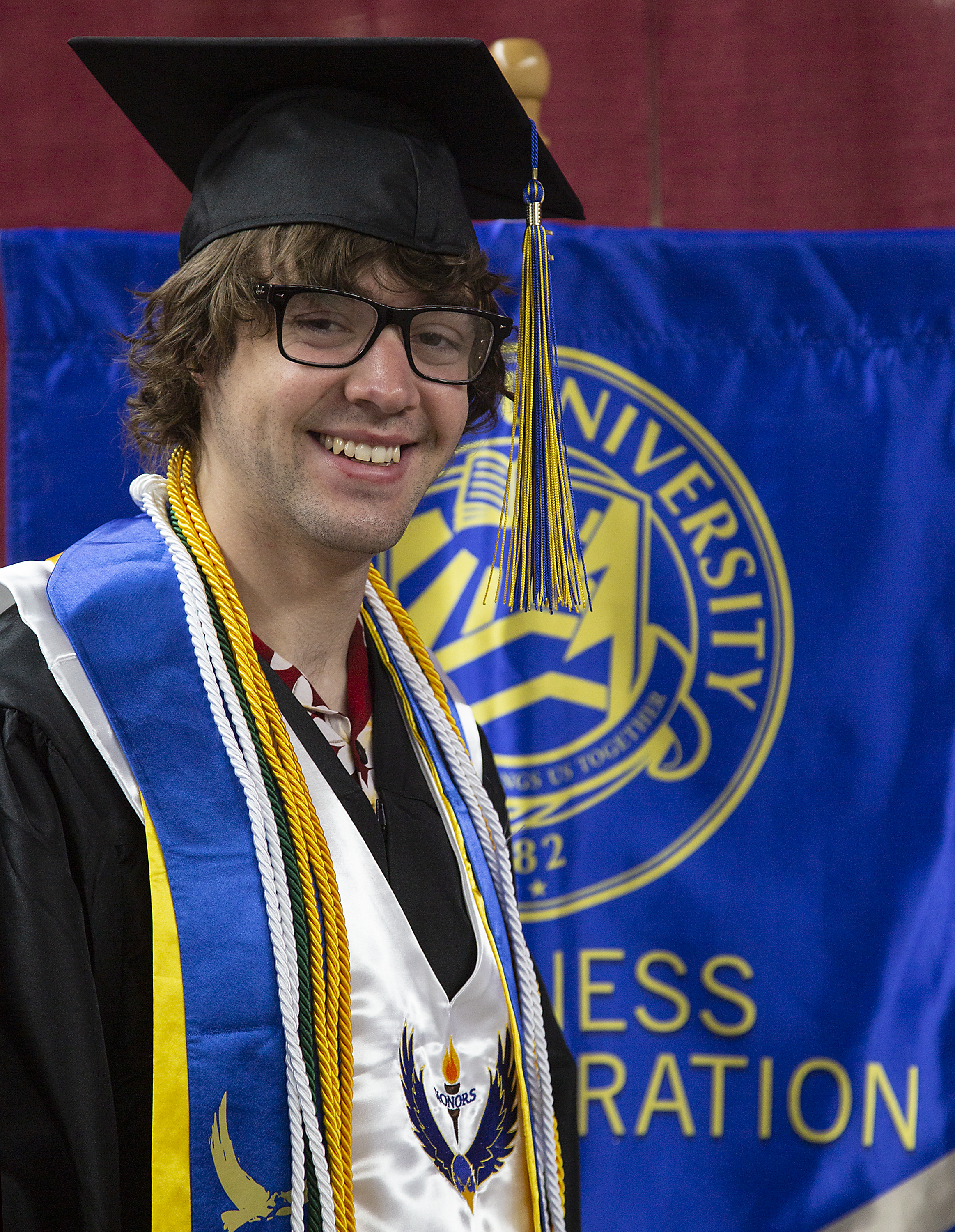
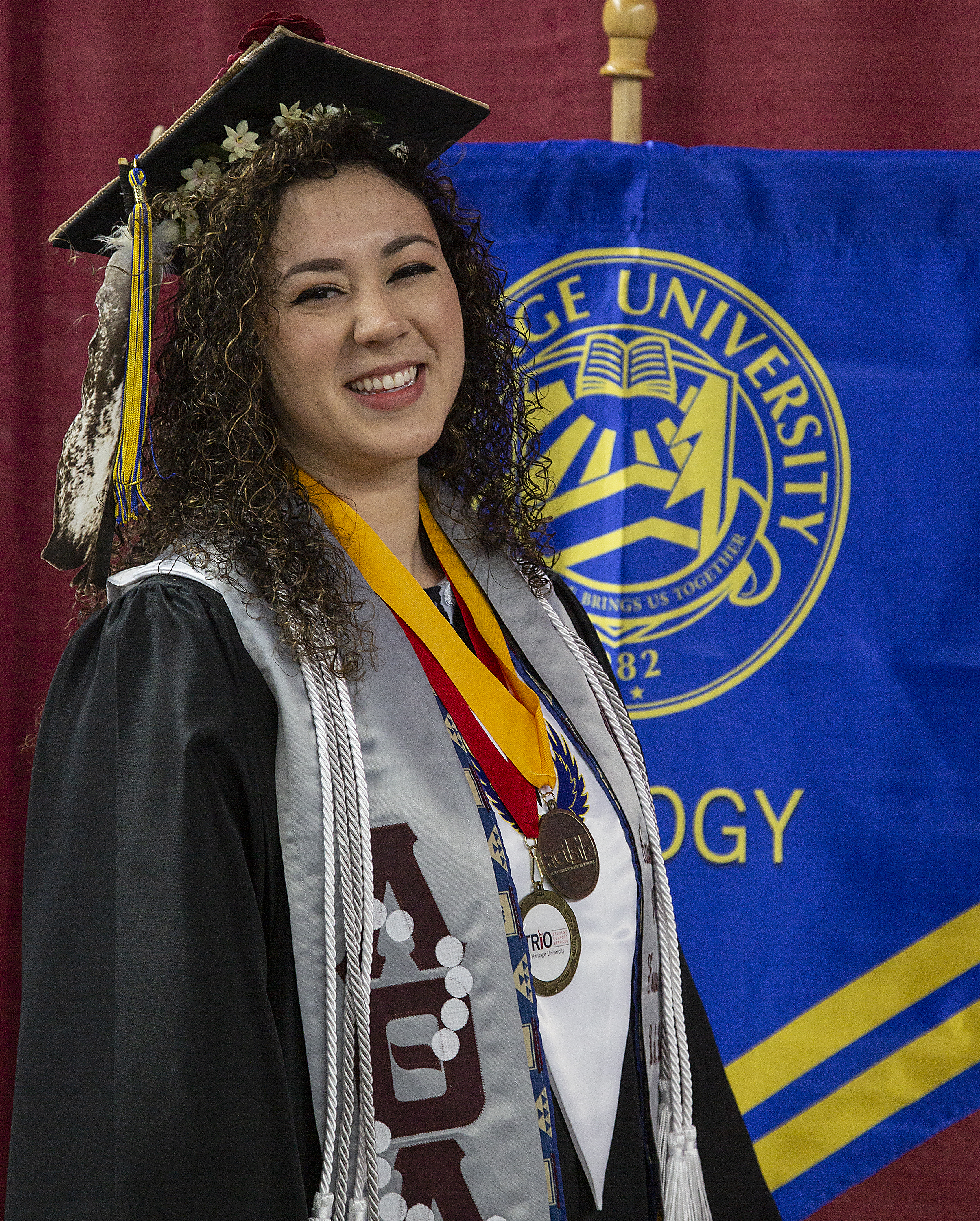
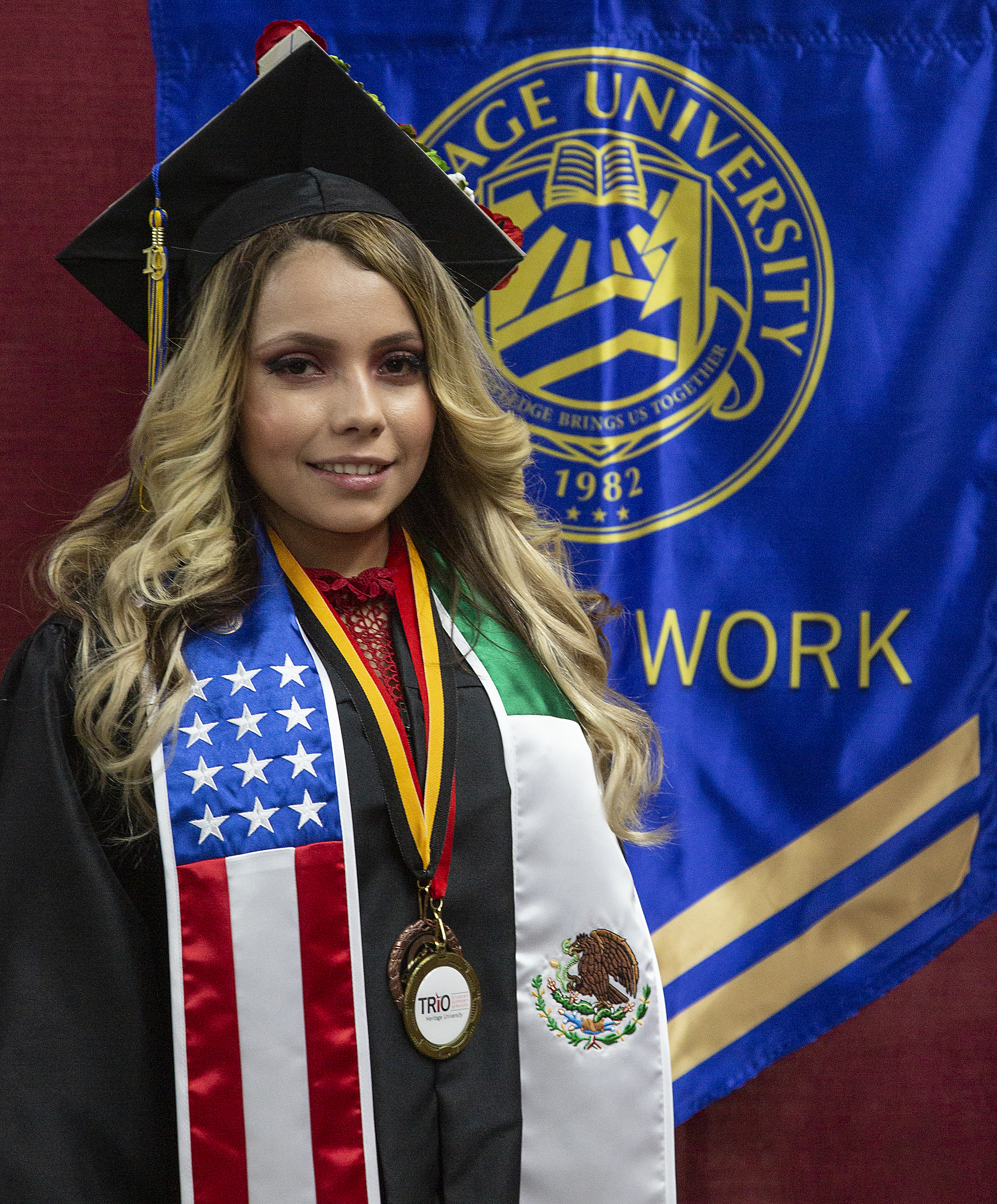
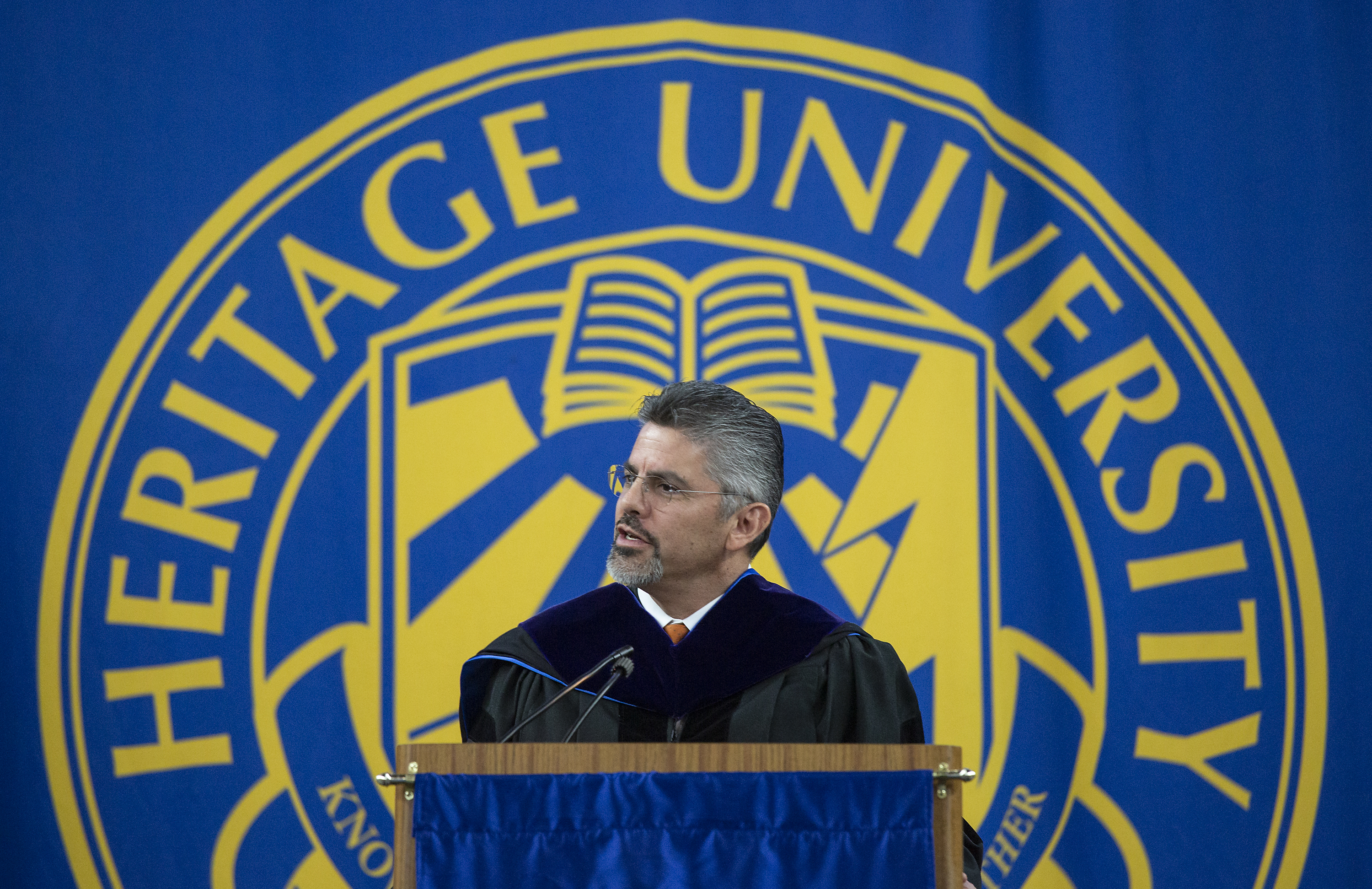
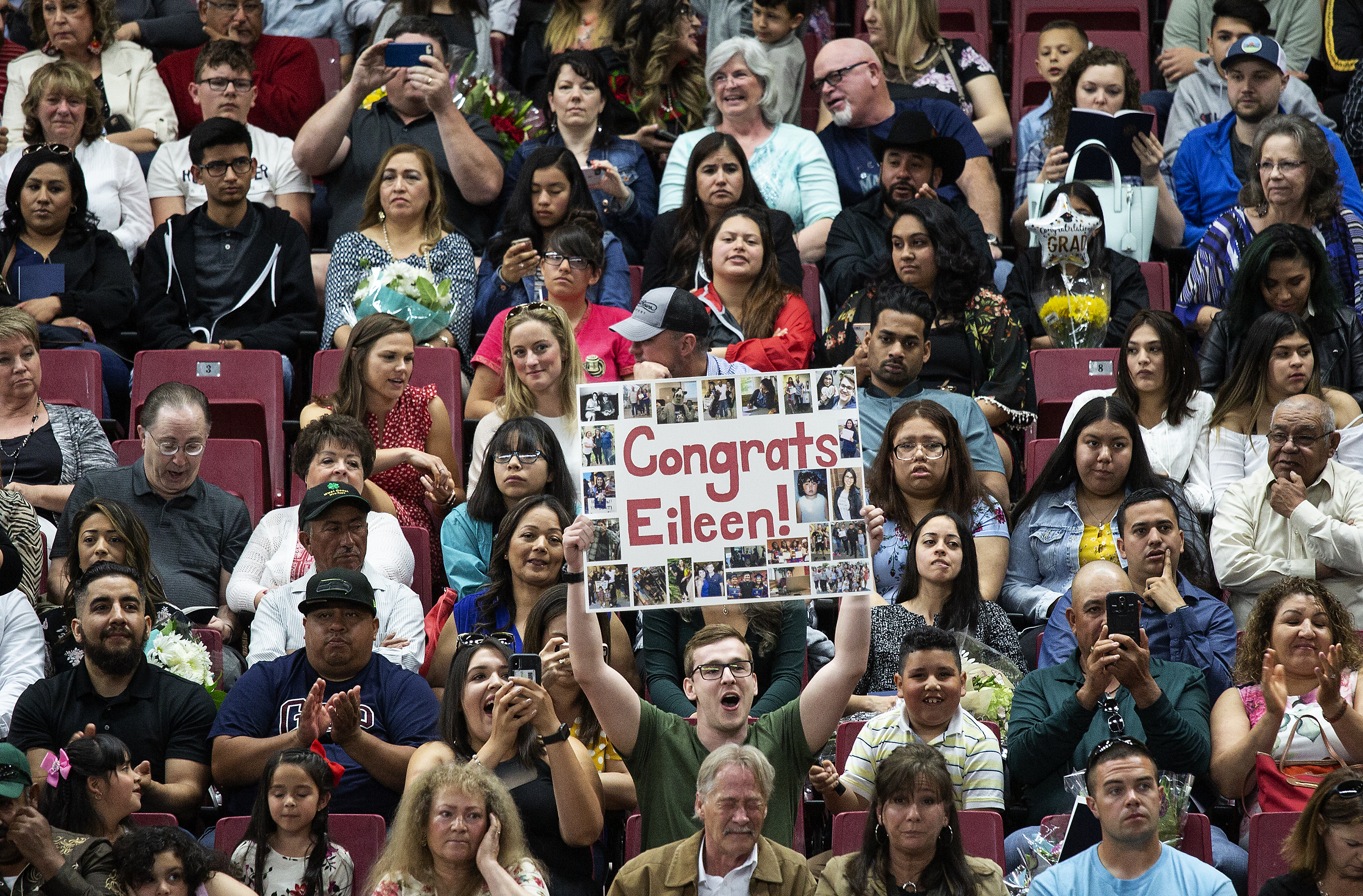
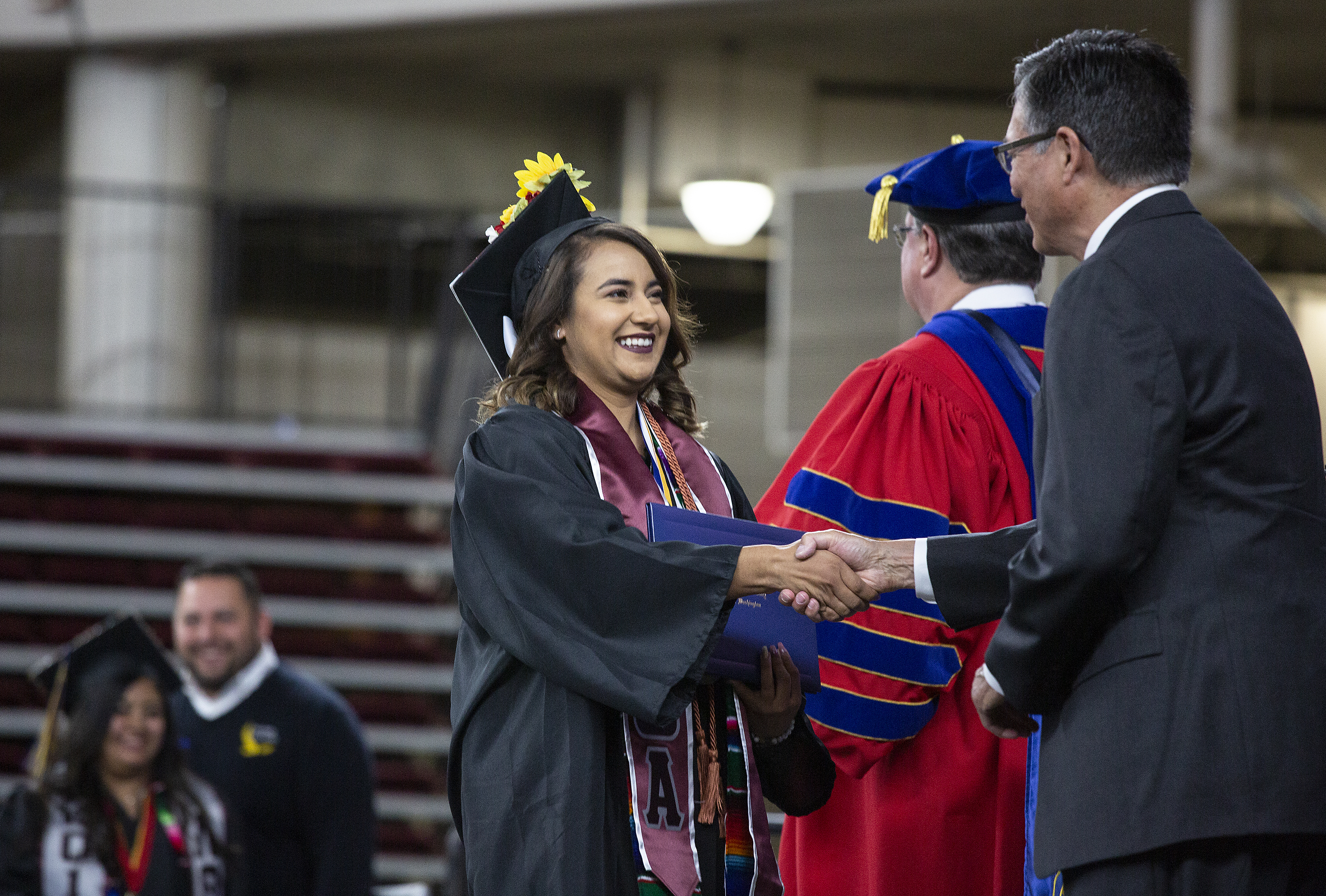
After years of sacrifice, of late night study sessions and countless hours spent in the library and computer labs, Heritage graduates celebrated earning their degree at the 2018 Commencement in May.
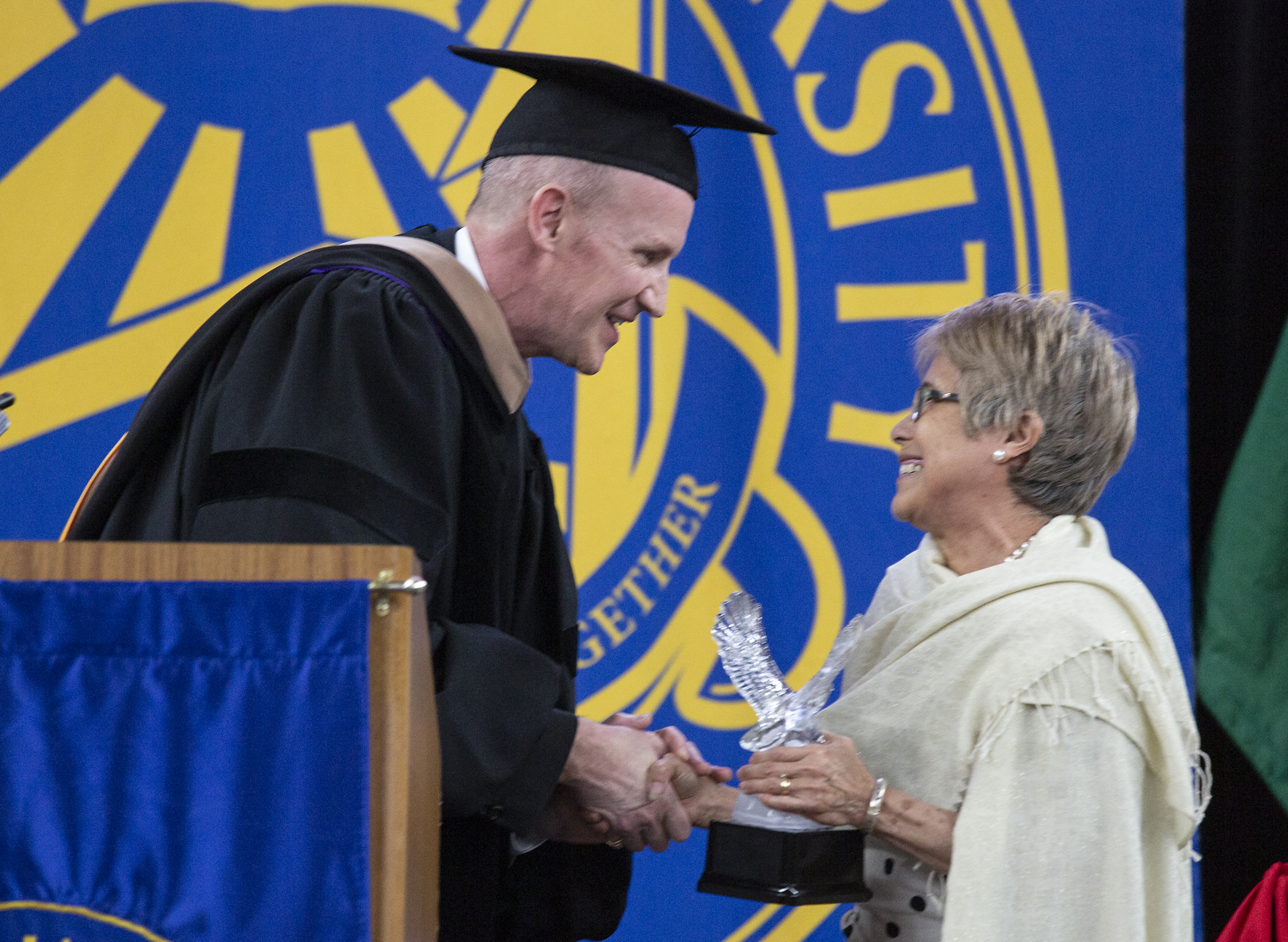
The Violet Lumley Rau Outstanding Alumni Award was given to Colleen Sheahan for her work establishing and running a private Christian school in Yakima. Fifteen graduates received the Board of Directors Academic Excellence Award, which is given to undergraduates who completed their degree with a perfect 4.0-grade point average. This year’s recipients were: Aryell Adams,Social Work; Kayli Berk, English/Language Arts; Aimee Bloom, Education; Meagan Gullum, Social Work; Tifanny Macias, Education; Daniela Medina, Education; Itzamary Montalvo, Education; Debra Olson, Education; Alexandra Orozco, Social Work; Perla Perez, Social Work; Karima Ramadan, Early Childhood Studies; Filipp Shelestovxskiy, Education; Jessie Shinn, Accounting; Ana Tapia, Social Work; and Ashley Zahn, Education. The President’s Student Award of Distinction, which is given to an undergraduate with a distinguished record of academic excellence and service to the university, was given to Aleesa Bryant, Biomedical Science.


A whirlwind of events in March brought together a campus and a community to celebrate the
In the evening, Heritage hosted the President’s Inauguration Jubilee at the Yakima Seasons Performance Hall. It was an arts and cultural event that celebrated the richness of the Yakima Valley and the people who call this area home. This multicultural repertoire of music, poetry,
the Yakima Symphony Chorus, traditional Native American dancing by The Four Seasons Travelers, pop and rock music by the Latino band Avión, and contemporary indie music by Naomi Wachira.
The celebrations capped off with the formal installation during a ceremony steeped in academic tradition. The event began with the grand procession of regalia-clad faculty, visiting dignitaries from other colleges and universities, members of the platform party, student representatives, and the Yakama Warriors color guard marching across campus from the Kathleen Ross snjm Center to Smith Family Hall in the Arts and Sciences Center. They marched down the aisle to a recording of the “Heritage University Tribute Anthem,” composed for the university by Joan McCusker, IHM and performed by the Yakima Symphony Orchestra. Davis Washines, chair of the Yakama General Council and Dr. Kathleen Ross, snjm each presented an invocation and Dr. Keith Watson, president of Pacific Northwest University of Health Sciences, and Norm Johnson, WashingtonState Representative, 14th District (R) presented greetings.
Before representatives from the Student Government Association, Faculty Senate, Staff Educators Senate, and university alumni make their remarks, students from the Wapato High School Choir “En Vox” performed an interlude of choral music. They later sang the university’s alma mater Lift High the Banner! , written by Dr. Curtis L. Guaglianone and arranged by Aaron L. Jameson. David Cordova, friend and former colleague of Dr. Sund, made the introduction before Heritage Board of Directors Chair Pat Oshie presented Dr. Sund with the chain of office during the Ceremony of Investiture.
Steve Dupuis, the IMSI director at Salish Kootenai College in Pueblo, Montana, reached out to Dr. Jessica Black about the trip, which he had done the year before. It was structured to bring tribal students in the sciences together from colleges across the country. Heritage University’s participation was made possible by a partnership with the All Nations Louis Stokes Alliance for Minority Participation program, in conjunction with the Organization for Tropical Studies.
Kimberly Stewart and Zane Ketchen were two of the students invited to travel to the Central American country. When Stewart received the text from Black, she was immediately intrigued – not just about the chance to dig into field work in such a rich environmental location but also because she would meet and work with other Native American students from around the country. “I had traveled, but never to Central America,” said Stewart, a junior who is interested in working with the Yakama Nation Department of Natural Resources when she graduates. After an 11-hour flight to San Jose, the team hopped aboard a bus for the six-hour journey into the Talamanca Mountains the next day. Taking the coastal route, Ketchen had his first look at Costa Rican wildlife, including crocodiles, macaws, and Black’s favorite, the toucan!
FIELD WORK GIVES STUDENTS HANDS-ON RESEARCH SKILLS
MAKING CULTURAL CONNECTIONS WITH LOCAL TRIBE