The Gift of Gratitude
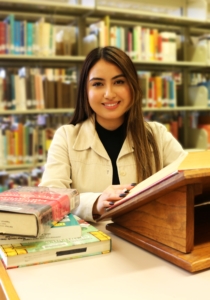
Perla Bolanos
The Gift of Gratitude
For this issue of Wings, we reached out to students and asked them to tell us about a pivotal moment in their life that had a profound effect on their views of themselves and their world. Perla Bolanos, a senior who is getting ready to graduate with a Bachelor of Arts in Business Administration, submitted this essay.
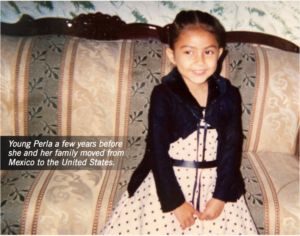
I remember my first day of third grade in the United States—the thrill, excitement, uneasiness, and anxiety of the unknown. I wore one of my best dresses with shoes I had painted the night before to cover the scratches. My mother was so excited for me to start school she told me, “Vas a tener muchas amigas y vas a aprender mucho mi niña. – You’re going to have a lot of friends, and you’re going to learn a lot, my little girl.”
My mother brushed my hair so hard, putting it into a high ponytail with a bow, and used jugo de limon so my hair wouldn’t fall. With one last look in the mirror, I carried the backpack I had brought with me from Mexico and headed out on my way to live the “American Dream.”
The school was big and had lots of space to run and play. It was in one of the nicest neighborhoods in Salinas, California, where my godmother lived. She was the only reason I had the opportunity to attend that school in the first place. My parents, brother, and I lived in a small studio apartment behind one of my godmother’s restaurants outside the city. A small school was located a couple of blocks from my home, but my parents insisted on enrolling me in a “better school.” Everyone wanted me to receive a quality education, meet new people, learn, and get accustomed to my new home.
When I walked through the door into my classroom, the look on my third- grade teacher’s face was something I will never forget. She stared at my face, clothes, and shoes; she stared at me and who I was. She knew I was not like the usual students that attended her class, and she was right. I was far from being like her other students. Most of them were Caucasian. They were dressed in nice clothes and shoes, and I was just the girl coming from Mexico. I also saw the look on the faces of the other kids. They looked at me like I must be lost, like I didn’t belong there. After the teacher introduced me to the rest of the class, she guided me to the back of the room to a small desk with a chair surrounded by books, far from the rest of the students. As I took in my surroundings, I wondered how I went from being the top student in my school to being the “poor Mexican girl,” as my classmates called me. While the others were learning grammar and about the solar system, I was stuck relearning the alphabet and numbers, this time in English, despite already being taught all this when I was in Mexico.
When I grew tired of staring at the same activities, I organized the stacks of books that surrounded me. I began losing myself in the pages of these books. One was my best friend, an English dictionary. This dictionary gave me the support my teacher and classmates could not give me. I found myself scanning through the pages, trying to memorize each word, and forming sentences that later would become pages of poems and stories I wrote. Creative writing became my escape and part of my identity. It helped me overcome the language barrier I encountered throughout my journey. The written word allowed me to express my feelings in this new language when I could not express them out loud.
I have mixed emotions when I reflect on my third-grade year. While I am sad for the little
girl who had to endure such an unpleasant school experience, I am immensely grateful for the love of learning I developed as those books surrounded me.
I came to realize that I could take control of my education, that the same little girl and the woman I am today are capable and resilient, and that education is a form of wealth that can never be taken away from me.
Today, I am a senior at Heritage University. Graduation is only a few weeks away. I cannot help but think about eight-year-old me and how far I have come from that third- grade classroom. Attending Heritage University brought me new perspectives into my life. I received an education that I once thought I did not deserve, along with numerous opportunities that have helped me grow as a scholar, professional, leader, and, most importantly, as a first- generation Latina.
My mother once told me, “Education es la unica herencia que te puede dar mija” “Education is the only heritage I can give you, Mija,” and it has been the greatest gift I have received.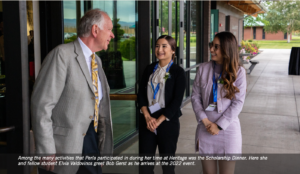
It took me a long time to discover who I am and find my voice to express myself, my thoughts, and my visions. To this day, I wonder, “can I reach someone with my words? Can I make a difference?” While those are questions that remain to be answered, I know that as I move forward out into the professional world, I will keep the lessons I’ve learned close to my heart and will do my best to honor my mother’s words and all those who helped me along the way.
Pursuing higher education was always a dream, and now I live it. It is a new chapter— something I have yearned for. This is my American dream coming true. 
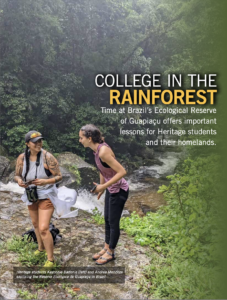
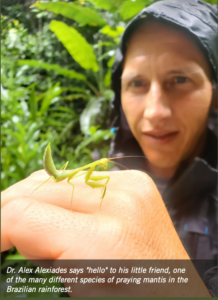
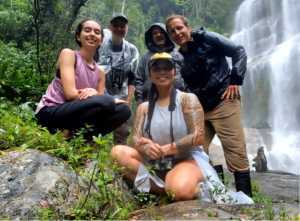 In the native Tupi language, Guapiaçu means “big spring of a river.” But the river here, like the rainforest that holds it, has been greatly altered, its banks laid bare for farming and grazing cattle, its flow in part channeled for human use, sometimes reinforced with concrete.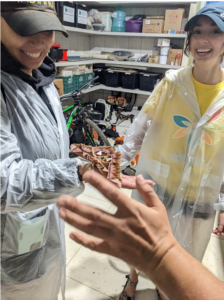

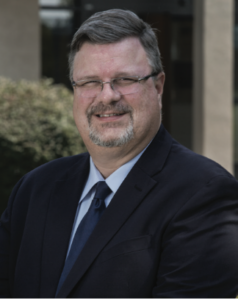 The Heritage University Board of Directors announced in July that it unanimously approved extending Dr. Andrew Sund’s contract for another five years of service.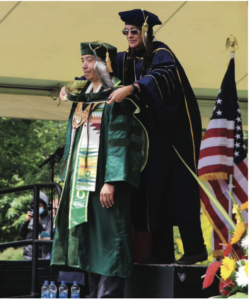
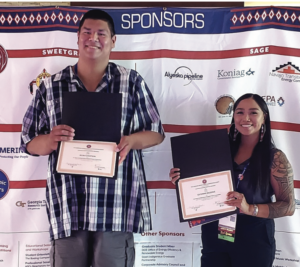 Kayonnie Badonie, a senior majoring in environmental science, won second place for her presentation, Water Conservation Tactics Through Well Decommissioning on the Yakama Nation Reservation. Noah Sampson, a senior majoring in environmental studies, placed third for his project Brewery Byproducts Can Help Fisheries? Evaluation of Brewer’s Spent Grain as a Feed Additive for Rearing Larval Asum (Pacific Lamprey). The students collaborated with the Yakama Nation for their projects.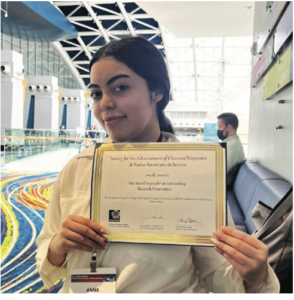


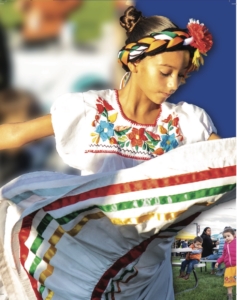
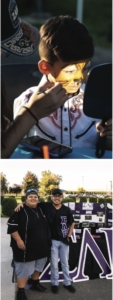 Heritage’s El Grito de Independencia celebration featured traditional foods and beverages, music, dancing, a resource fair, and games and hands-on activities for the entire family. Entertainment was provided by Grupo Projecto 2020, Raices de Mi Pueblo Grupo Folklorico and DJ Manny. Along with the activities hosted by Heritage University student groups, participants interacted with community service organizations from throughout the Yakima Valley who attended the resource fair.
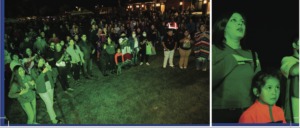 “The vast majority of our students have roots in the Mexican culture. Many have family who still lives in Mexico,” said Martin Valadez, regional director of Heritage @CBC and chair of the event planning committee. “It was extremely rewarding to be part of an event that gives them the opportunity to celebrate their heritage and to share the richness of their culture with not only the rest of the Heritage community but with the community at large as well.”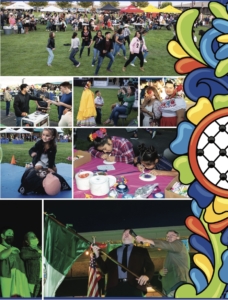

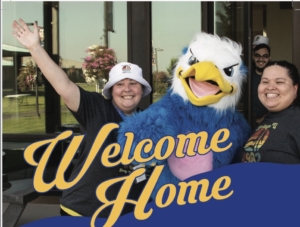
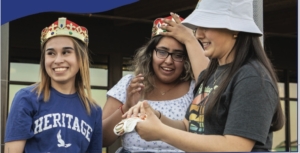
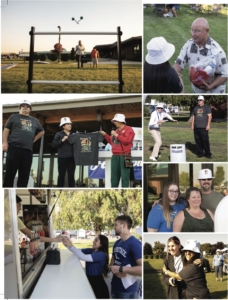 Heritage even put its own spin on the traditional Homecoming court. The designation of Homecoming Royalty went to the two students who traveled the farthest to attend college. Tania Nunez is a freshman majoring in nursing who travels 140 miles each day, and Yesenia Delgado, a freshman majoring in education, travels 60 miles to and from campus daily.
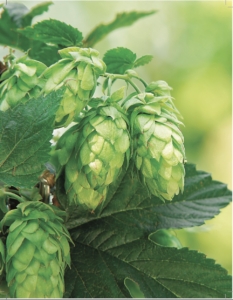
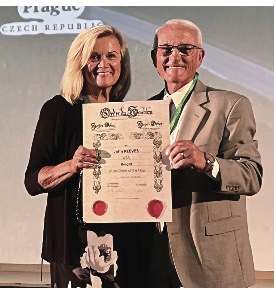 Reeves seems destined to have done great things in agriculture. When he was ten years old, he started working in the fields of southern Illinois, picking fruit and pulling weeds. When he was 12, he started a commercial tomato farm on land his dad gave him. At 13, Reeves went to work on other farms once he’d harvested his tomatoes. He once set a record by working over 100 hours a week three weeks in a row.