
Celebrating Culture and Connection – Wings Summer 2026
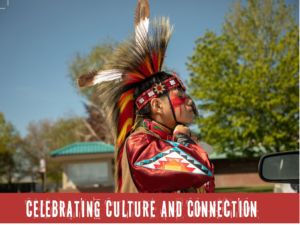
The steady beat of drums, the swirl of colorful regalia, and generations of dancers moving through the arena signaled the return of one of Heritage University’s most cherished traditions.
This spring, the All Nations Student Social Powwow brought together Native communities, students, alumni, and families for a day of celebration, connection, and cultural pride.
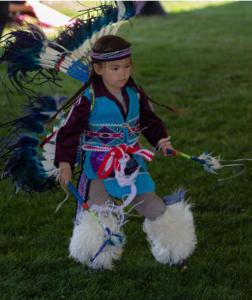 Hosted by the Heritage University Native American Club (HUNAC) with support from the American Indigenous Business Leaders chapter at Heritage University, the free event welcomed participants from throughout the region for a day dedicated to celebrating Indigenous culture, tradition, and community.
The annual gathering featured traditional, fancy, jingle, and grass dancing, along with drum groups, arts and crafts vendors, community organizations, and cultural activities for all ages.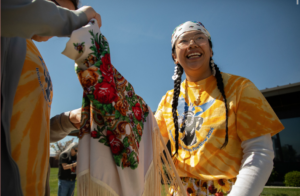
The powwow has become one of Heritage University’s most visible celebrations of Native culture and a reflection of the university’s deep connection to the Yakama Nation. Located on the Yakama Reservation, Heritage has long embraced its responsibility to create spaces where Native traditions, languages, and cultural practices are honored and shared.
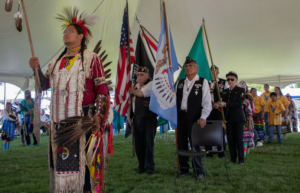 The day began with the Grand Entry, the ceremonial opening that brought dancers of all ages into the arena in a vibrant display of regalia, movement, and tradition. Throughout the day, the grounds came alive with the sights and sounds of Indigenous culture as visitors watched dance exhibitions, visited vendors, and connected with community organizations and student groups.
One of the day’s most meaningful moments came during the tribute honoring Missing and Murdered Indigenous Women (MMIW), drawing attention to an issue that continues to affect Native communities across North America. 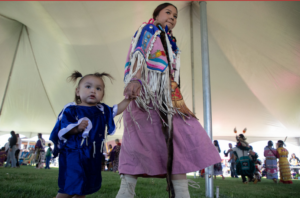 The tribute reflected the powwow’s role not only as a celebration of culture but also as a space for remembrance, awareness, and solidarity.
Beyond the performances, the powwow provided an opportunity for cultural education and connection. Community members unfamiliar with powwow traditions were welcome to learn about the significance of dances, songs, and regalia, and to experience firsthand the importance of gathering, storytelling, and celebration within Indigenous communities.
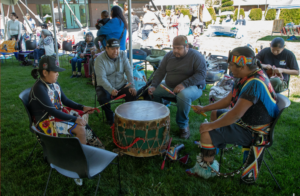 For Heritage students, the event offered a chance to share traditions, strengthen cultural pride, and build community both on campus and beyond. For many families who return year after year, the powwow has become a cherished annual tradition.