
One of One

Heritage University is the only private university in the nation designated as both a Hispanic-Serving Institution (HSI) and a Native American-Serving Nontribal Institution (NASNTI) by the U.S. Department of Education.

That makes Heritage one of one.

These federal designations recognize who we serve, but they also reflect something deeper about who we are. Heritage was founded to expand access to higher education in the Yakima Valley and build as a multicultural university where students from different cultures, communities and experiences learn alongside one another.

We didn’t become this university because of our HSI and NASNTI designations becuase of the university we have always worked to be.

Learn more about HSI and NASNTI designations

Hispanic-Serving Institution (HSI)

A federal designation for eligible college and universities where at least 25% of full-time undergraduate students identify as Hispanic or Latino.

Native American-Serving Nontribal Institution (NASNTI)

A federal designation for eligible colleges and universities that are not tribally controlled and where at least 10% of undergraduate students are Native American.

These designations recognize institutions that serve significant populations of students who have historically been underrepresented in higher education and can provide access to federal funding that strengthens academic programs, student support and educational opportunities.

Heritage was founded in 1982 through the vision of Dr. Kathleen Ross, SNJM, and Yakama women Martha Yallup and Violet Lumley Rau. Together, they intentionally created a university that would serve all of the Yakima Valley — bringing people from different cultures and backgrounds together through education.

Being a multicultural institution has been central to Heritage ever since. We believe education is stronger when different cultures, perspectives and experiences are represented, valued and shared.

Our main campus is located in the homeland of the Yakama people, and our relationship with the Yakama Nation reaches back to our founding. At the same time, Heritage has grown alongside the Hispanic and Latino communities that are an integral part of the Yakima Valley.

Today, that founding vision lives on in the students and communities we serve.

→ Discover the Heritage Story

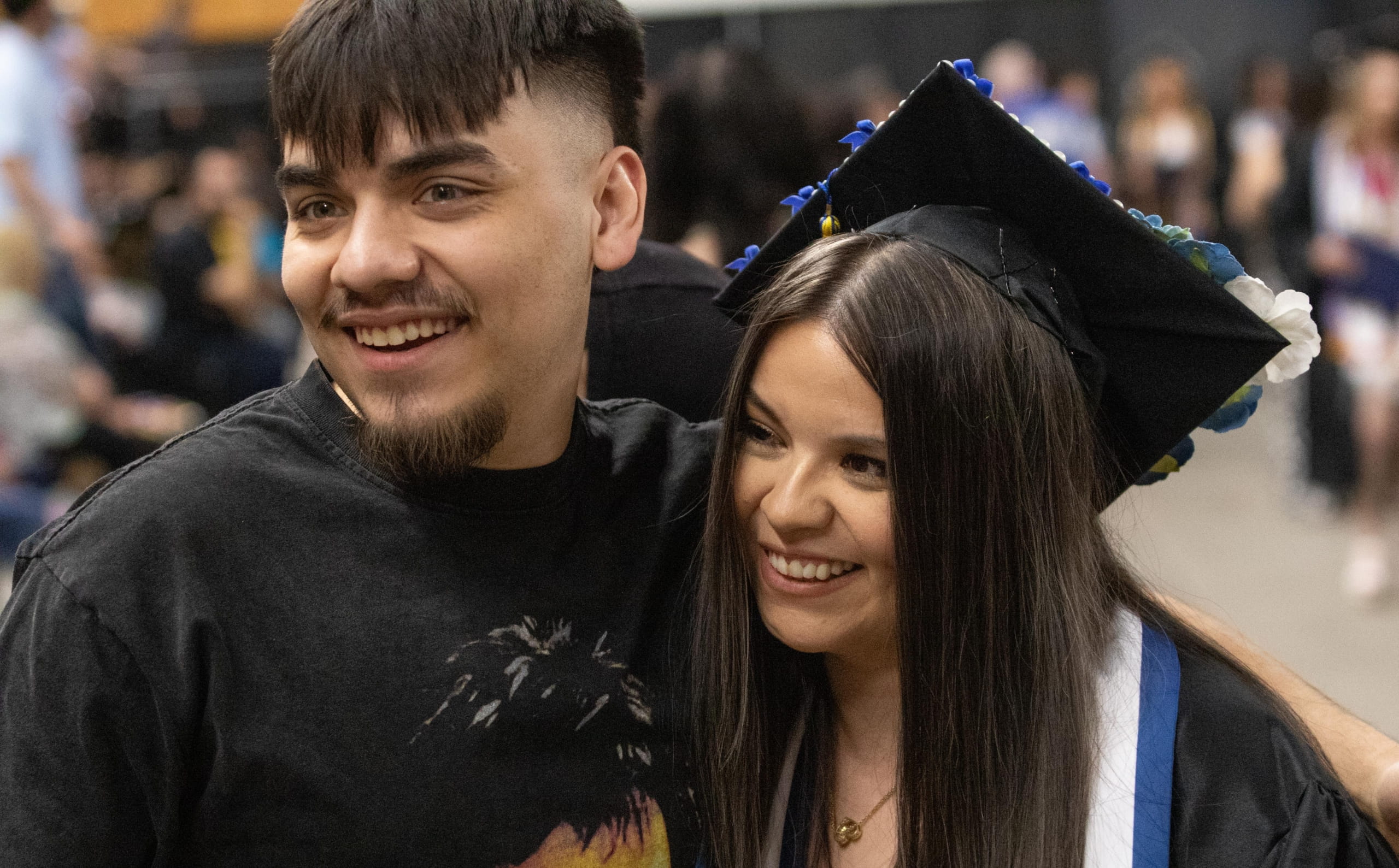
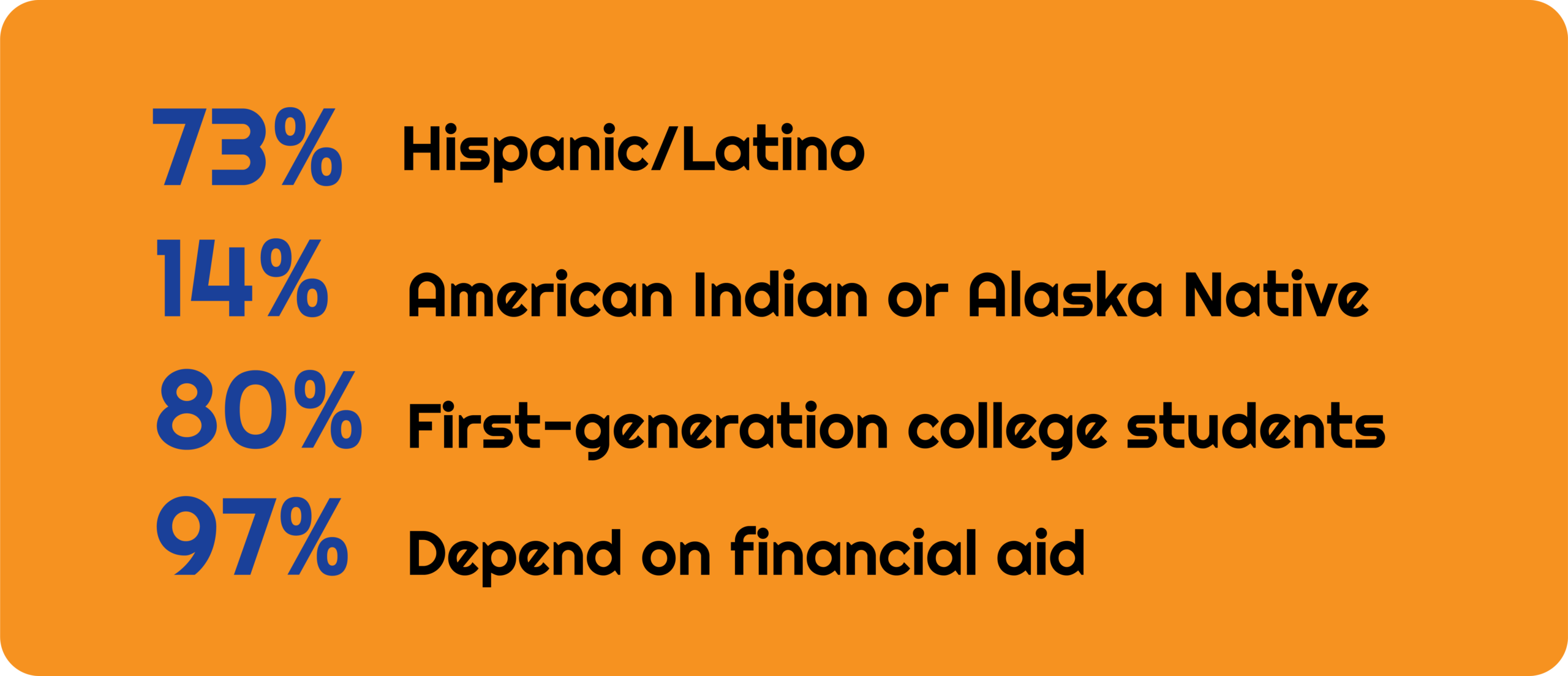
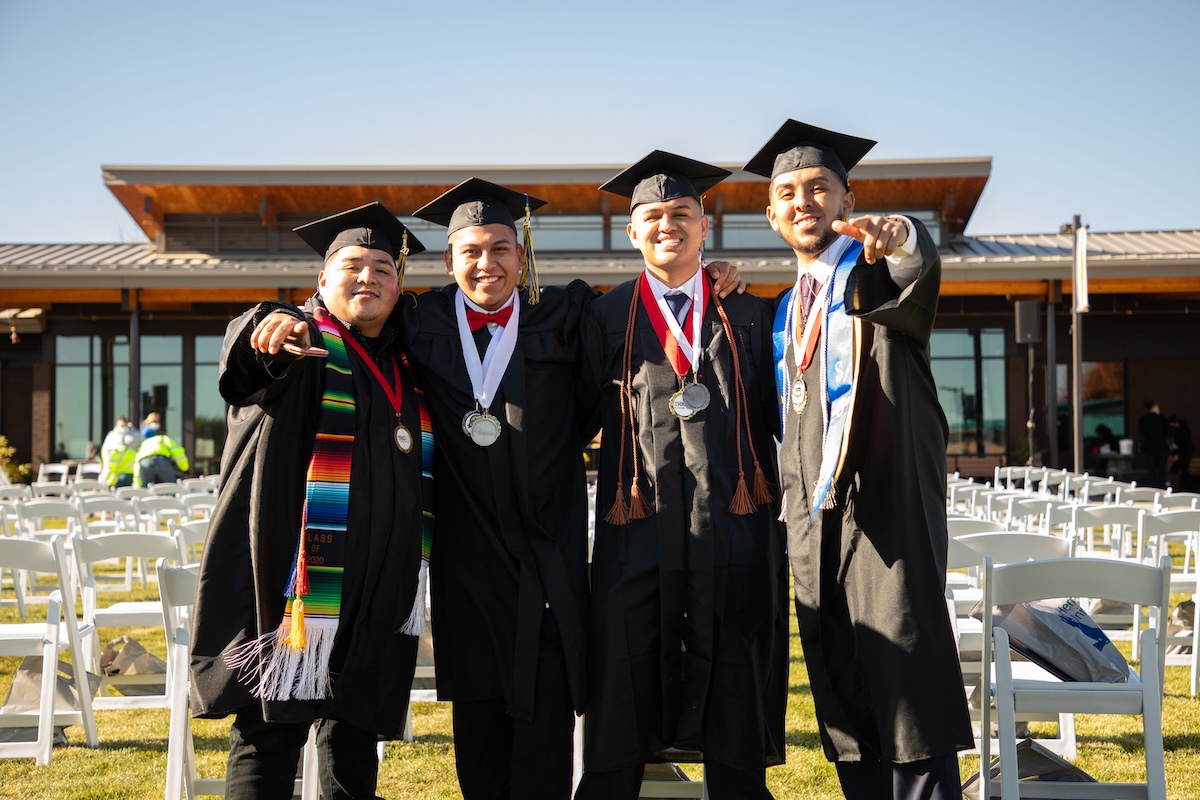
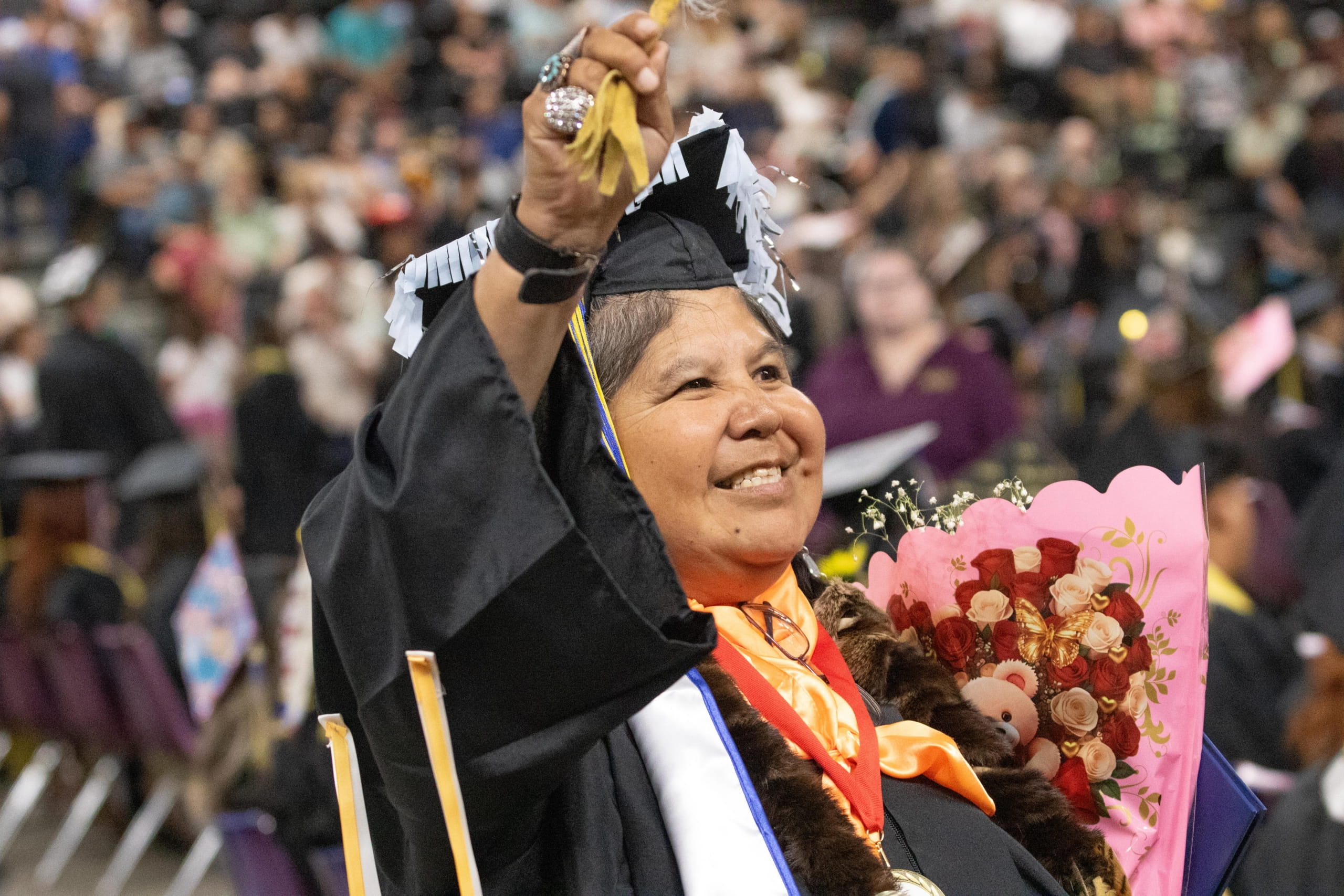
Heritage students reflect the communities around us.

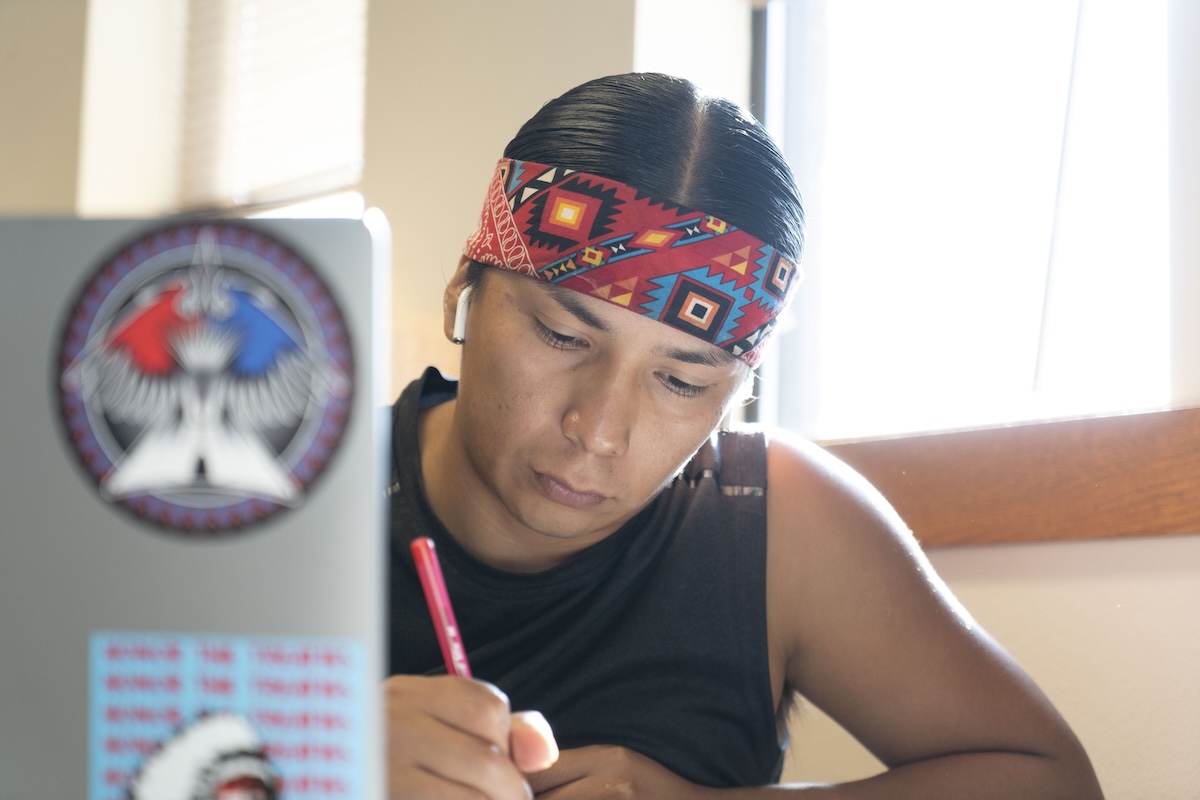
Behind those numbers are students with different stories, goals and responsibilities. Many are the first in their families to attend college. Some come from migrant and seasonal farmworker families, tribal communities or rural areas. Many balance school with jobs, children and responsibilities to their families.

Our students bring talent, determination and experiences that enrich our university. Heritage works to make sure they also have the opportunity and support to turn that potential into a college degree.

Meet Heritage Students

→ The Plight of the Yakamas’ Sacred Fruit

→ Planting Seeds of Healing

→ Mother Daughter Colleagues Alums

→ It’s a Family Affair

→ Agentes de Cambio

→ Body of Work

→ The Answered Prayers of My Grandmothers

→ From Farmworker to Pharmacist

→ Grit!

→ Dancing to his own beats!

For many first-generation students, college doesn’t come with a roadmap. They may be learning how to navigate financial aid, registration, internships and career planning while also doing the work required to earn their degree.

Finances, transportation, childcare, work schedules and family responsibilities can create additional challenges. For students from rural communities, simply getting to and from college can be a barrier.

Heritage recognizes these realities — and designs support around them.


→ Student Resources

Being a serving institution means more than who enrolls. It means what happens after students arrive.

At Heritage, students find small classes, professors who know their names, academic advising, tutoring, mentoring, financial aid guidance, career development and programs designed to help them navigate college and prepare for what comes next.

Just as importantly, they find a community that recognizes there isn’t one way to be a college student. Students come to Heritage with different cultures, experiences, responsibilities, strengths and needs. We meet them where they are and help them move toward where they want to go.


→ Student Life

→ Heritage at a Glance

Students shouldn’t have to leave who they are at the classroom door.

At Heritage, different cultures, languages, histories and perspectives are part of the learning experience. Students have opportunities to learn more deeply about their own communities while learning alongside people whose experiences may be very different from their own.

That multicultural environment prepares graduates to communicate across differences, understand the communities they serve and work effectively in an increasingly diverse world.


Explore multicultural learning at Heritage

→ Center for Indigenous Health, Culture and the Environment

→ Wings Stories

→ The Ross Institute for Student Success

The impact of a Heritage education extends beyond an individual student.

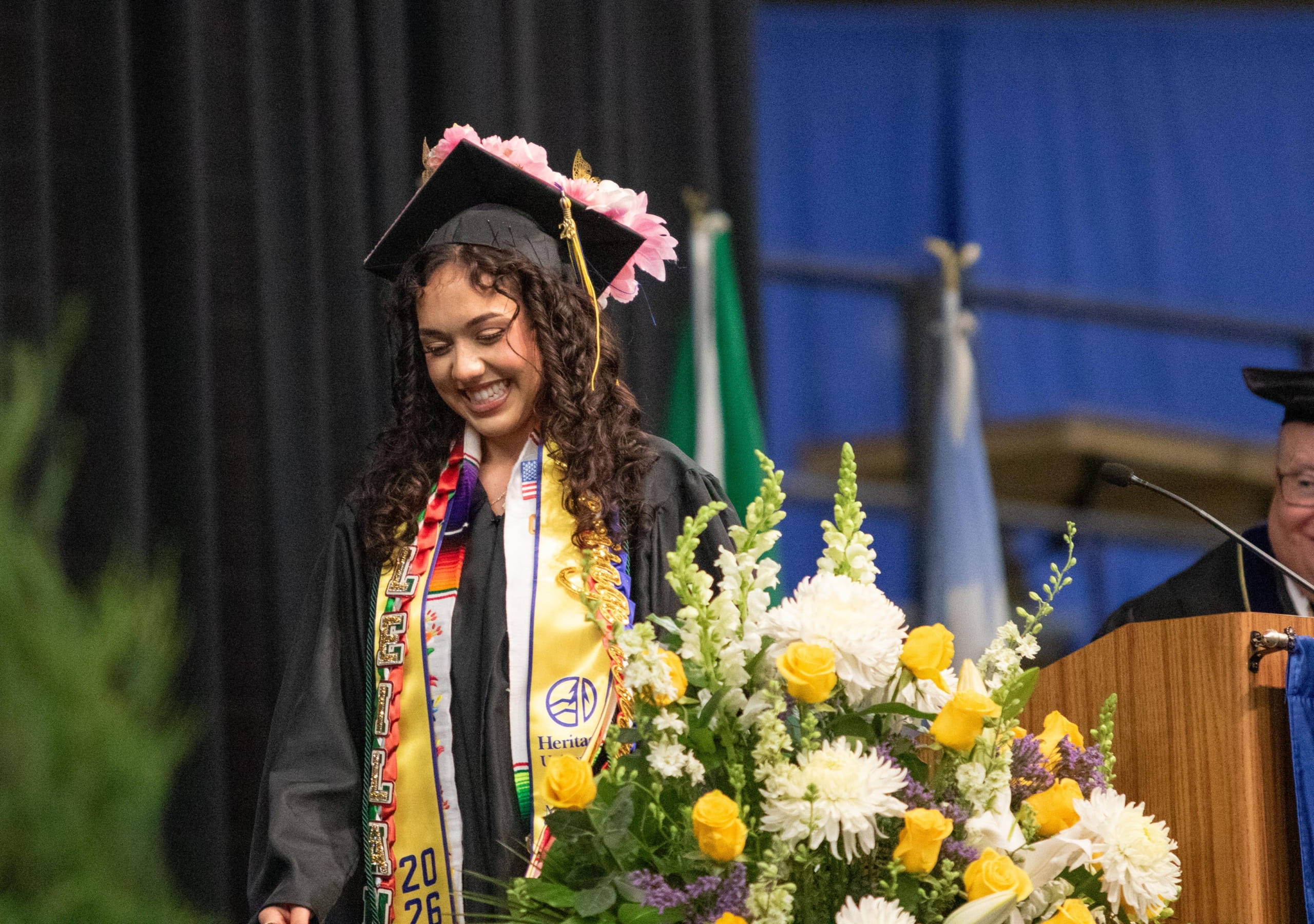
Our graduates become teachers, healthcare professionals, scientists, social workers, business leaders, public servants and advocates. Many build their careers here in Central Washington, bringing their knowledge and skills back to the communities that helped shape them.

And when a student is the first in their family to graduate from college, the impact can reach even further — changing what children, siblings and future generations believe is possible.


→ Explore Heritage alumni stories